

Understanding On-Site Videography
Defining On-Site Videography
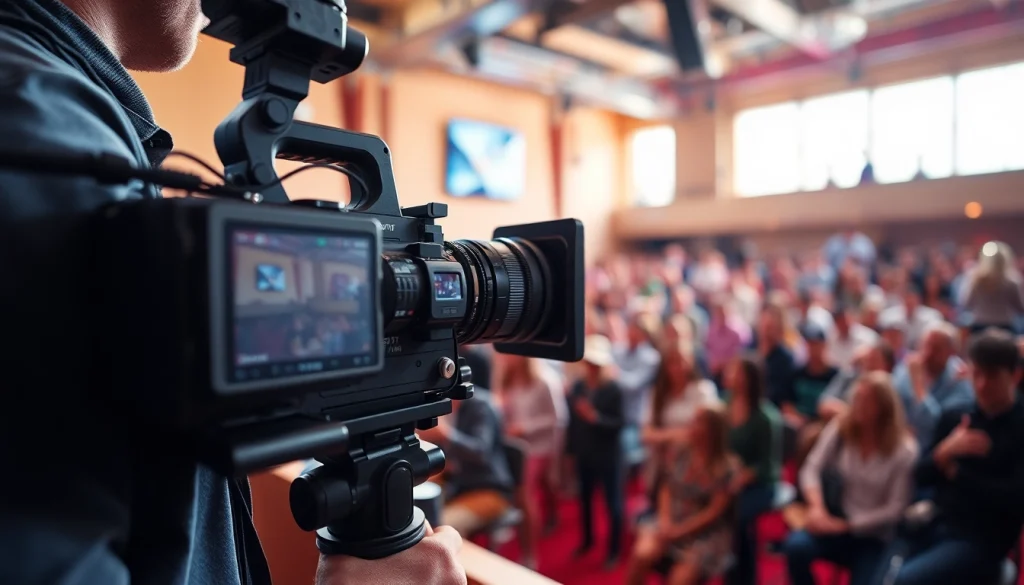
On-site videography is a specialized type of video production that involves capturing video footage at a particular location, which could range from corporate environments to public events. This approach is advantageous because it allows for the documentation of real-time happenings and the portrayal of authentic environments, creating rich and immersive visual narratives. Unlike traditional studio setups, on-site videography provides flexibility and the potential for dynamic storytelling, as it can capture the essence of a place or event effectively.
The Importance of Location
Location plays a pivotal role in videography. It not only foreshadows the video’s content but also influences its emotional resonance. Filming in a relevant and authentic environment can greatly enhance viewer engagement. For instance, capturing a corporate training session at the workspace itself offers context that informs viewers about the company’s culture and dynamics. Advanced videographers often select locations that complement the narrative they are trying to convey, using the surroundings as a visual storytelling element.
Differentiating On-Site Videography from Other Formats
Understanding the differences between on-site videography and other video production formats is essential for clients and videographers alike. While studio filming typically relies on controlled environments and pre-designed sets, on-site videography thrives on spontaneity and natural settings. The latter allows for the integration of ambient sounds and real-life interactions, bringing a genuine touch that studio footage often lacks. This authentic depiction is particularly valuable for documentary filmmaking, corporate branding, and event coverage.
Essential Equipment for On-Site Videography
Choosing the Right Camera and Lenses
The cornerstone of successful on-site videography is a high-quality camera capable of producing sharp and vibrant images. DSLRs and mirrorless cameras are popular choices due to their versatility and superior image quality. When selecting lenses, consider the type of footage you want to capture. Wide-angle lenses are ideal for expansive scenes, while telephoto lenses excel in isolating subjects from the background. It is crucial to ensure the chosen equipment accommodates low-light situations since many events unfold in varying light conditions.
Must-Have Accessories for Videographers
In addition to cameras and lenses, several accessories can significantly enhance video quality and ease of filming. A sturdy tripod is essential for steady shots, while gimbals or stabilizers help achieve smooth motion, especially in dynamic environments. Having extra batteries, memory cards, and a reliable backpack helps ensure that you are equipped for prolonged shoots without interruptions. Furthermore, consider investing in ND filters that assist in controlling sunlight exposure during outdoor shoots.
Audio Equipment Considerations
Clear audio quality is just as important as high-quality video; thus, having the right audio equipment is vital for on-site videography. External microphones, such as lavalier or shotgun mics, are invaluable for interviews or capturing specific sound sources, whereas handheld recorders can record ambient sounds. Windshields are also helpful in outdoor settings to minimize wind noise. Prioritize sound checks before filming begins to ensure all audio equipment functions properly in the chosen environment.
Techniques for Effective On-Site Videography
Planning Your Shots
Effective planning is essential to optimizing the on-site videography process. Create shot lists or storyboards to visualize how you want to frame each shot. Collaborate with your subjects or clients to ensure their key messages are visually represented. Scouting the location before the shoot helps identify possible lighting challenges, potential visual distractions, and the best angles to capture critical moments. During the shoot, remain flexible and ready to adapt to unexpected circumstances that can yield compelling footage.
Engaging with the Subject
Building rapport with the subjects being filmed is fundamental to achieving authentic results. Individuals tend to perform better and act naturally when they feel comfortable. Take some time to introduce yourself and explain the purpose of the shoot. Encouraging subjects to share their feelings or stories can lead to more genuine expressions and a deeper emotional connection within the footage. Warmth and authenticity will translate well on camera and enhance the overall impact of the video.
Utilizing Lighting to Enhance Video Quality
Lighting sets the mood and impact of your footage and is a primary factor in video production quality. Utilize natural light as much as possible, but also carry portable lighting solutions like LED panels for low-light situations or to fill shadows. Consider how the position of the sun changes throughout the day if you are shooting outdoors—planning times for your shoots accordingly can lead to better results. If indoors, utilize available light sources while also controlling any harsh shadows or glare created by windows and artificial lights.
Editing and Post-Production for On-Site Videography
Best Software for Editing On-Site Footage
Post-production is where the raw footage morphs into a captivating video. Editing software such as Adobe Premiere Pro, Final Cut Pro, and DaVinci Resolve are widely recognized for their powerful capabilities. Each offers unique strengths, from color correction to audio editing features. The choice of software often depends on budget, personal preference, and the complexity of the project. Becoming proficient in the editing software you choose is crucial for efficiently translating your creative vision into the final product.
Creating a Narrative with Your Edits
A compelling narrative is often what elevates a video from mediocre to memorable. Carefully choose which clips to include, considering how they flow together to tell a cohesive story. Use techniques like jump cuts for adding excitement or continuity editing for preserving visual connections. Incorporating graphics, text overlays, and music can enhance storytelling by emphasizing key messages and maintaining viewer interest. Always keep the target audience in mind to create an engaging experience tailored to them.
Common Pitfalls to Avoid
Even experienced videographers can fall victim to common mistakes during post-production. One frequent issue is over-editing, which can detract from the natural essence of events. Keep edits subtle and authentic to each clip; avoid excessive transitions and effects that could overwhelm viewers. Additionally, ensure audio levels are balanced between various clips; inconsistency can lead to a disjointed viewing experience. Finally, always back up footage regularly to prevent data loss during the editing process.
Maximizing Reach with On-Site Videography
Sharing Your Videos on Social Media
Once the editing is complete, the next step is effectively sharing the content. Social media platforms are invaluable for distributing videos widely and engaging with audiences. Craft visually appealing thumbnails and enticing video titles to encourage clicks. Understanding the unique formats and requirements of each platform—Instagram, Facebook, LinkedIn, and YouTube—can help tailor the release strategy. Using appropriate hashtags can boost visibility and attract viewers interested in your content.
Engaging Your Audience with Quality Content
Creating engaging content goes beyond having a good premise; it requires understanding your audience and what excites them. Incorporating interactivity, such as polls or questions, can increase viewer participation and capture valuable feedback. Regularly posting updates or behind-the-scenes footage can foster audience connection and loyalty. Consider running promotional campaigns or contests which encourage users to share your video content, thus broadening your reach organically.
Measuring Success: Metrics and Feedback
To assess the effectiveness of your on-site videography, monitoring performance metrics is essential. Platforms provide analytics tools that can offer insights into engagement rates, views, shares, and audience demographics. High retention rates can indicate that your content resonated well with viewers, while low engagement might suggest a need for content reevaluation. Gathering qualitative feedback through comments and surveys can provide further details on viewer perceptions and areas for improvement.


