
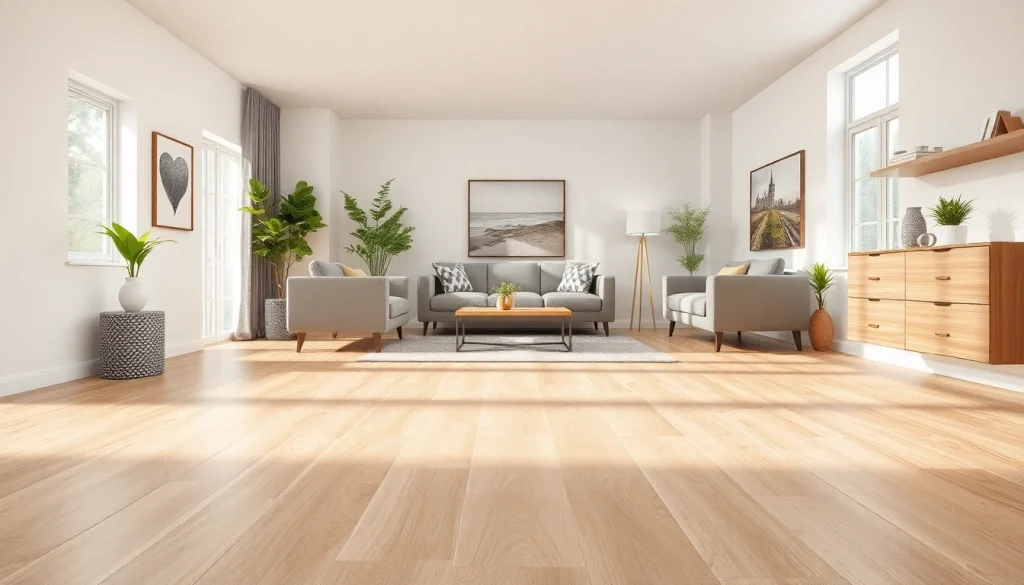

Understanding Vinyl Flooring
What Is Vinyl Flooring?
Vinyl flooring is a resilient and versatile flooring solution made primarily from polyvinyl chloride (PVC), providing a practical and stylish alternative to traditional flooring materials. Known for its durability and water resistance, vinyl flooring has gained popularity in residential and commercial spaces. It comes in various styles, colors, and textures, replicating the look of hardwood, stone, and ceramic tile. As more homeowners look for cost-effective and low-maintenance flooring options, the demand for vinyl flooring continues to grow.
The Different Types of Vinyl Flooring
Vinyl flooring is available in several types, each designed to meet different needs and preferences:
- Luxury Vinyl Plank (LVP): Designed to mimic hardwood, LVP is ideal for those seeking a stylish yet durable flooring option.
- Luxury Vinyl Tile (LVT): This type provides the look of natural stone or ceramic tile while offering the comfort and cushioning of vinyl.
- Sheet Vinyl: Available in large rolls, sheet vinyl is commonly used in areas with high moisture levels, such as bathrooms and kitchens.
- Vinyl Composite Tile (VCT): Often used in commercial settings, VCT is known for its durability and ease of maintenance.
Benefits of Choosing Vinyl Flooring
Choosing vinyl flooring offers numerous advantages, making it an attractive option for many homeowners:
- Affordability: Vinyl flooring is generally less expensive than hardwood or stone, making it budget-friendly.
- Water Resistance: Its moisture-resistant properties make it ideal for kitchens, bathrooms, and basements.
- Easy Maintenance: Cleaning is simple; sweeping and occasional mopping keep it looking fresh.
- Comfort and Sound Absorption: Vinyl provides cushioning underfoot, making it comfortable to walk on and helpful in reducing noise.
- Versatile Design Options: Available in various colors and patterns, vinyl can complement any style or decor.
Choosing the Right Vinyl Flooring for Your Home
Factors to Consider When Selecting Vinyl Flooring
When selecting vinyl flooring for your home, consider the following factors to ensure you make the best choice:
- Room Purpose: Identify where the flooring will be installed; high-traffic areas may require more durable options.
- Moisture Levels: In wet areas, choose water-resistant options such as LVP or sheet vinyl.
- Style Preferences: Consider your home’s aesthetic and choose a design that complements existing decor.
- Installation Method: Think about whether you will install it yourself or hire professionals, as some vinyl options come with different installation techniques.
How to Match Vinyl Flooring with Your Interior Design
Matching vinyl flooring to your interior design involves evaluating colors, patterns, and textures:
- Color Schemes: Consider existing wall colors and furniture to select a complementary vinyl shade.
- Patterns: Wide planks can create a modern look, while tile patterns can induce a classic vibe.
- Texture: Textured finishes can add dimension and sophistication to your floors, enhancing the overall aesthetic appeal.
Popular Styles and Patterns in Vinyl Flooring
The versatility of vinyl flooring allows for a variety of popular styles and patterns:
- Wood-Look Vinyl: Mimicking the appearance of hardwood, this style blends style with durability.
- Stone-Look Vinyl: Ideal for achieving an elegant stone appearance without the high cost.
- Bold Patterns: Geometric and floral patterns can make a statement in any room, adding character to your space.
Installation Methods for Vinyl Flooring
DIY Installation vs. Professional Help
Deciding between DIY installation and hiring professionals depends on several factors:
- Skill Level: Assess your comfort with tools and installation processes; some vinyl types are easier than others.
- Time and Effort: Professional installations may save you time, especially for larger areas.
- Complexity: Consider the complexity of your space; intricate layouts may require expert assistance.
Step-by-Step Guide to Installing Vinyl Flooring
If you choose to install vinyl flooring yourself, follow this simple guide:
- Prepare the Subfloor: Clean and level the surface to ensure a stable foundation.
- Measure Your Space: Calculate the amount of vinyl needed, allowing for cuts and waste.
- Acclimate the Vinyl: Let the vinyl planks or tiles acclimate in the room for 48 hours before installation.
- Lay the Vinyl: Start in a corner, laying planks or tiles in your desired pattern, ensuring proper alignment.
- Cut as Needed: Use a utility knife for trimming edges and ensuring a perfect fit around corners.
- Finish With Trim: Install baseboards or quarter rounds to cover any gaps around the flooring’s edge.
Common Mistakes to Avoid During Installation
To ensure a smooth installation process, be mindful of these common mistakes:
- Neglecting Subfloor Preparation: Failure to clean and level the subfloor can lead to uneven surfaces.
- Incorrect Measurements: Always double-check your measurements to avoid cutting too much or too little vinyl.
- Ignoring Manufacturer Instructions: Each vinyl product has specific installation guidelines; following them is crucial for optimal performance.
Maintaining Your Vinyl Flooring
Best Practices for Cleaning Vinyl Flooring
Maintaining the appearance of vinyl flooring involves regular cleaning routines:
- Sweeping or Vacuuming: Regularly remove dirt and debris to prevent scratches.
- Mopping: Use a damp mop and a mild cleaner designed for vinyl; avoid harsh chemicals that can damage the surface.
- Spot Cleaning: Address spills promptly to prevent stains or discoloration.
How to Extend the Lifespan of Vinyl Flooring
Extend your vinyl flooring’s life with these care tips:
- Use Rugs: Place rugs or mats in high-traffic areas to protect against wear and tear.
- Avoid Direct Sunlight: Use curtains or blinds to reduce sun exposure, which can fade colors over time.
- Regular Maintenance: Keep up with cleaning routines and address any damage promptly to maintain the flooring’s appearance.
Dealing With Damage to Vinyl Flooring
Despite its durability, vinyl flooring can sustain damage; here’s how to manage it:
- Minor Scratches: Buff with a soft cloth and a vinyl floor cleaner to restore the surface.
- Deep Scratches or Cuts: For more significant damage, consider using vinyl patches or replacement tiles.
- Water Damage: If you notice lifting or warping, dry the area immediately and make repairs as needed.
Cost Considerations and Value of Vinyl Flooring
Pricing Factors for Vinyl Flooring
Understanding the cost of vinyl flooring involves several factors:
- Quality of Material: Higher-quality vinyl generally comes with a higher price tag but offers better durability.
- Type of Vinyl: LVP and LVT tend to be pricier than traditional sheet vinyl or VCT.
- Installation Costs: If hiring professionals, consider labor costs alongside material expenses.
Comparing Vinyl Flooring to Other Flooring Options
When assessing vinyl flooring against other types, several factors come into play:
- Cost-Effectiveness: Vinyl is typically more affordable than hardwood, tile, and carpet, making it a popular choice.
- Durability: Vinyl’s resistance to scratches, dents, and moisture makes it a resilient option in comparison to other materials.
- Maintenance Requirements: Vinyl requires less maintenance than hardwood, which often needs refinishing.
Long-Term Value of Investing in Vinyl Flooring
Investing in vinyl flooring can be beneficial for your home’s long-term value:
- Time-Tested Durability: With proper care, vinyl flooring can last many years, providing great value over time.
- Aesthetic Appeal: The wide range of designs and textures available enhances your home’s aesthetic, appealing to future buyers.
- Practicality: Its water resistance and ease of maintenance make vinyl an attractive option for busy families.
FAQs About Vinyl Flooring
1. How long does vinyl flooring typically last?
With proper maintenance, vinyl flooring can last 10 to 20 years, depending on the quality of the material and foot traffic levels.
2. Can vinyl flooring be installed over existing floors?
Yes, vinyl flooring can often be installed over existing floors, provided they are flat and in good condition. It’s essential to check the manufacturer’s guidelines.
3. Is vinyl flooring safe for homes with pets?
Yes, vinyl flooring is a pet-friendly option as it is scratch-resistant, easy to clean, and can withstand spills or accidents.
4. How do I remove stains from vinyl flooring?
For most stains, a damp cloth and mild cleaner will suffice. For tougher stains, use a mixture of vinegar and water or specialized vinyl cleaners.
5. Is it necessary to seal vinyl flooring?
Sealing vinyl flooring is generally not necessary, but applying a protective layer can help enhance durability and ease of cleaning in high-traffic areas.