
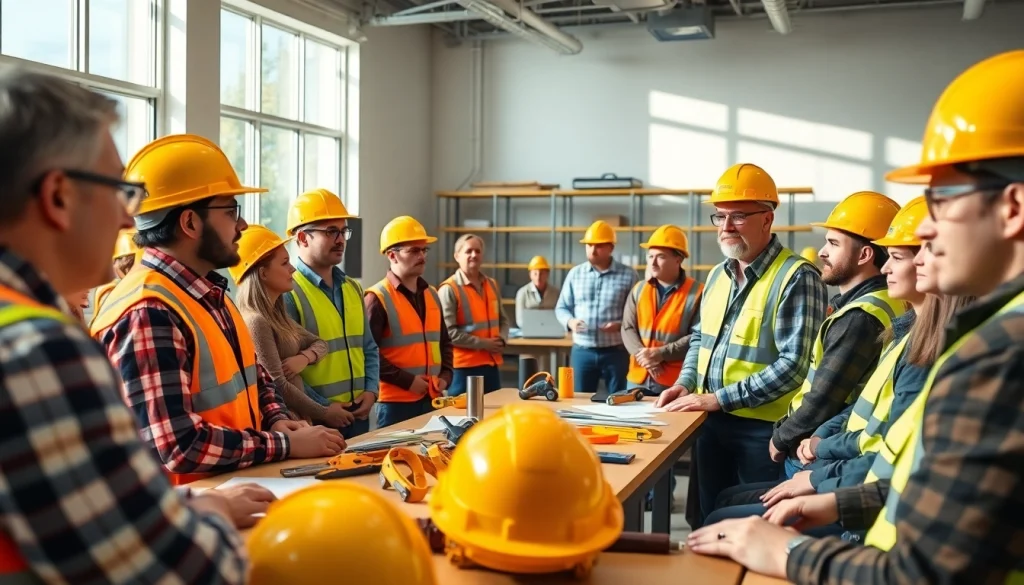

Understanding the Importance of Construction Safety Training
In an industry marked by potential hazards and risks, ensuring workers’ safety is paramount. Construction safety training equips employees with essential knowledge and skills to navigate risks effectively. By implementing comprehensive construction safety training, organizations can foster a culture of safety, ultimately enhancing productivity and reducing accidents.
Defining Construction Safety Training
Construction safety training refers to formal programs designed to educate personnel on the safety protocols, best practices, and regulatory requirements associated with construction work. The primary goal is to minimize risks by ensuring that all workers understand potential hazards and the necessary precautions to take. This training can cover various topics, from proper equipment use and personal protective equipment (PPE) to emergency response procedures.
Legal Requirements and Standards
Compliance with local, state, and federal regulations is a critical aspect of construction safety training. Organizations must adhere to guidelines set forth by regulatory bodies such as the Occupational Safety and Health Administration (OSHA) in the United States. These regulations mandate specific training for employees, depending on their job roles and the nature of the work to be performed. Failing to meet these standards can lead to penalties, increased insurance costs, and, most importantly, unsafe working conditions.
Impact on Workforce Safety and Performance
Properly implemented construction safety training has a profound impact on workforce safety and performance. Studies show that organizations that prioritize safety training experience fewer accidents and injuries. A safe work environment not only protects employees but also improves morale and job satisfaction, which can lead to higher productivity levels. Furthermore, comprehensive training can help reduce downtime and associated costs resulting from accidents and injuries.
Types of Construction Safety Training Programs
On-Site Training for Immediate Implementation
On-site training programs are designed for immediate hands-on learning within the specific work environment. These programs enable trainers to address site-specific hazards and practices pertinent to the job site. Workers receive real-time instruction on the safe use of equipment, safety protocol enforcement, and emergency procedures tailored to their operational context.
Online Courses for Flexible Learning
Online safety training courses have gained popularity due to their convenience and flexibility. These programs allow workers to complete training at their own pace and revisit materials as needed. Online courses can effectively cover a wide range of topics, including hazard recognition, safety regulations, and risk management strategies. This approach is particularly beneficial for companies with workers at multiple locations.
Hands-On Workshops for Practical Experience
Hands-on workshops are essential for translating theoretical knowledge into practical skills. These workshops offer participants the chance to engage directly with safety equipment, tools, and real-life simulations of construction tasks. This experiential learning helps reinforce the importance of safety procedures and demonstrates their application in a controlled environment.
Best Practices for Effective Construction Safety Training
Creating Engaging Training Materials
Effective training materials are crucial for engaging learners and enhancing knowledge retention. Utilizing varied formats such as videos, infographics, and interactive quizzes can keep participants interested and invested in their learning journey. Real-life examples and case studies should also be included to illustrate the consequences of neglecting safety protocols, making the training more relatable and impactful.
Utilizing Real-World Scenarios
Integrating real-world scenarios into training sessions helps employees connect theoretical knowledge with practical situations. By presenting common incidents that have occurred within the industry, trainers can discuss preventive measures. Participants can role-play responses to these scenarios, which enhances critical thinking and decision-making capabilities when handling potential hazards.
Continuous Assessment and Feedback
Establishing a system for continuous assessment and feedback is key for improving safety training programs over time. Regular evaluations, quizzes, and skill assessments can identify areas where workers may be struggling. Providing constructive feedback helps foster an environment of continuous improvement, enabling trainers to adapt their content and methods based on participant needs.
Evaluating the Effectiveness of Safety Training
Measuring Knowledge Retention
Knowledge retention is a critical factor to consider when assessing the effectiveness of safety training. Organizations should implement follow-up assessments to gauge what employees remember after training. Pre-training and post-training evaluations can quantify knowledge gained and identify gaps that may require additional focus in future training sessions.
Incident Rate Analysis Post-Training
Analyzing incident rates following training initiatives provides measurable insights into the effectiveness of safety training programs. A decline in workplace accidents and near-misses indicates successful training implementation. Tracking these metrics over time allows organizations to assess long-term improvements and adjust their training strategies as necessary.
Gathering Employee Feedback
Collecting feedback from employees who have undergone safety training is vital for understanding its impact. Surveys and interviews can provide insights into the training’s relevance, clarity, and engagement level. This feedback is invaluable for refining ongoing training efforts and creating programs that resonate with the workforce’s needs.
Frequently Asked Questions about Construction Safety Training
What is the duration of construction safety training courses?
The duration varies based on the program type and complexity. On-site training typically lasts 2-8 hours, while comprehensive online courses may span several weeks.
Who needs to complete construction safety training?
All construction workers, supervisors, and management personnel should complete safety training relevant to their roles and responsibilities to ensure a safe working environment.
Are there certifications available for construction safety training?
Yes, many organizations offer certifications upon successful completion of construction safety training courses, verifying knowledge and competency in safety practices.
What topics are typically covered in construction safety training?
Common topics include hazard recognition, equipment safety, PPE usage, fall protection, and emergency preparedness, among others relevant to specific job sites.
How can I ensure my training stays compliant with regulations?
Regularly review and update training content to align with local, state, and federal compliance standards, ensuring all training adheres to current safety regulations.