
What is Drayage?
Definition of Drayage
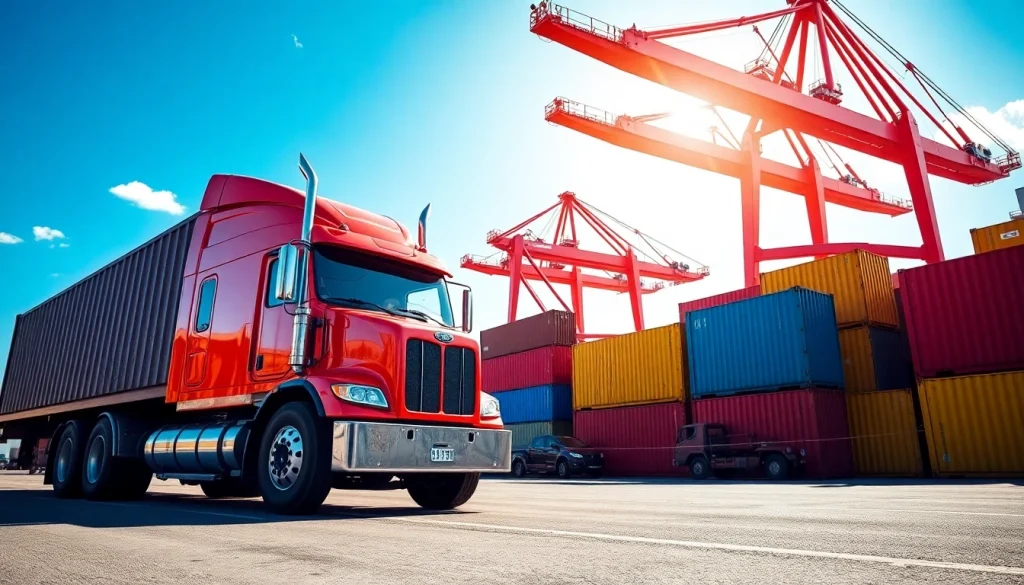
Drayage refers to the transportation of goods over a short distance, typically involving the movement of shipping containers by truck. This process is crucial in the logistics industry as it often acts as a segment within larger freight processes, connecting various modes of transportation like ocean freight, rail freight, and truck services. In a nutshell, drayage provides a vital link that ensures the smooth transit of containers from ports or terminals to their final destinations or warehouses. For a more detailed explanation, you might consider exploring Drayage services that enhance the efficiency of supply chains.
Importance in Transportation Logistics
In an increasingly globalized economy, the significance of drayage services cannot be overstated. With the world relying heavily on imported goods, the role of drayage becomes ever more critical in the broader logistics and transportation framework. For instance, containers arriving at a port need to be swiftly and efficiently moved to relevant distribution centers where they are sorted and dispatched. Essentially, drayage supports timely delivery, minimizes delays, and facilitates the seamless operation of supply chains, underscoring its importance as a logistical backbone in shipping and distribution.
Difference Between Drayage and Other Freight Services
While ‘freight’ is a broad term encompassing any goods transported regardless of distance, drayage has a more specialized definition. Unlike other freight services that can cover long distances, drayage focuses on short-distance transport, usually within a metropolitan area or between transportation hubs. For example, the journey from a port to a nearby warehouse over a distance of less than 50 miles is classified as drayage. This distinction sets drayage apart from freight services that may involve long-haul trucking or air freight, which often covers much larger distances.
Types of Drayage Services
Intermodal Drayage
Intermodal drayage refers to the movement of containers between different modes of transportation, such as from ocean freight to rail or truck. Typically, this involves transferring shipping containers from vessels onto trucks or rail cars, facilitating smoother transitions between transport modes. This service is increasingly popular as it allows businesses to optimize their operations by leveraging the strengths of different transport modalities. Intermodal drayage plays a pivotal role as it significantly reduces the time containers sit idle during transfer, thereby improving overall efficiency.
Marine Drayage
Marine drayage specifically deals with the transportation of containers between marine terminals and other inland points. This can include the movement of containers from the port to a railhead or warehouse. Given that ports are often heavy traffic zones, marine drayage services must operate efficiently to prevent bottlenecks and ensure that goods reach their destinations timely. They serve as the first and last mile of import-export operations, and their efficiency is directly linked to a company’s operational agility.
Terminal Drayage
Terminal drayage involves transporting a container to or from a terminal, which could include ports or rail yards. This can be a critical component of both marine and intermodal drayage operations. Companies that specialize in terminal drayage must comply with various regulations and procedures to ensure smooth transitions for freight within terminal operations. Effective terminal drayage services are essential for reducing storage costs and minimizing delays in the movement of goods between transportation hubs.
Benefits of Optimal Drayage Management
Cost Efficiency in Short-Distance Transport
Effective drayage management can lead to significant cost savings. By optimizing routing and scheduling, companies can reduce labor costs, fuel consumption, and wait times at terminals or ports. Adopting technologies such as fleet management systems can enhance route efficiency, facilitate real-time tracking, and minimize operational costs associated with delays and excess fuel usage. Furthermore, maintaining a focused drayage operation allows for better cargo handling, which translates into fewer damages and claims, thereby fostering a more cost-efficient operational framework.
Streamlined Supply Chain Operations
Proper drayage management can fundamentally streamline supply chain operations. By ensuring timely deliveries between various transport modes, businesses can expect fewer delays in their overall logistics. This is particularly important in industries that rely on just-in-time inventory systems, which necessitate accurate and timely transport of goods. Moreover, comprehensive drayage solutions—which may include warehousing and final-mile delivery—can function together to create a coherent supply chain model that enhances overall operational flow.
Enhanced Customer Satisfaction
In today’s competitive landscape, meeting customer expectations is paramount. Efficient drayage services ensure that the right goods arrive at the right place at the right time—ultimately leading to improved customer satisfaction. When companies manage their drayage operations effectively, they can promise quicker turnaround times, reduced stockouts, and enhanced service reliability, all of which contribute to building long-lasting customer relationships and brand loyalty.
Challenges Faced in Drayage Operations
Regulatory and Compliance Issues
Drayage operations face significant regulatory scrutiny, which can vary widely depending on local policies, environmental standards, and transportation regulations. Compliance with these regulations is non-negotiable, as failing to adhere can result in penalties, delayed shipments, or operational halts. Companies need to stay informed about evolving regulations in each jurisdiction where they operate—especially those concerning emissions, safety standards, and transportation permits. Implementing training programs and employing legal experts can help to navigate the complexities of compliance effectively.
Traffic and Congestion Problems
Urban areas, often where most drayage operations occur, can be notorious for traffic congestion. Delays caused by heavy traffic can extend delivery times and increase operational costs. Companies can mitigate these challenges by using technology to analyze traffic patterns and optimize routing. Moreover, planning deliveries during off-peak hours can create more efficient schedules that avoid heavy congestion periods altogether.
Impact of Fuel Prices
The volatility of fuel prices directly impacts drayage operations and, consequently, the overall cost of logistics. Sudden spikes in fuel costs can erode profit margins or necessitate reassessments of pricing strategies. Companies should consider implementing fuel hedging strategies or leveraging technology to improve fuel efficiency through route optimization and vehicle maintenance, which can lessen the impact of fluctuating fuel costs.
Best Practices for Effective Drayage
Choosing the Right Drayage Provider
One of the most critical decisions a company can make in optimizing its drayage services is selecting a reliable drayage provider. Factors to consider include the provider’s experience, technology adoption, fleet quality, customer reviews, and geographical coverage. Collaborating with a provider that aligns with your operational needs and understands regional dynamics is vital to ensuring a reliable and responsive drayage service.
Utilizing Technology and Data Analytics
Incorporating modern technology into drayage operations can significantly improve efficiency and decision-making. Technologies such as Transportation Management Systems (TMS), GPS tracking, and real-time data analytics enable companies to streamline their operations, track shipments accurately, and enhance visibility throughout the supply chain. Additionally, predictive analytics can assist in anticipating potential disruptions, enabling proactive measures to be implemented.
Improving Communication and Coordination
Effective communication and coordination enhance the efficiency of drayage operations. Establishing clear lines of communication among all stakeholders—ship operators, drayage providers, and clients—ensures that everyone is informed about shipment statuses and potential issues. Regular updates and training can foster better collaboration and minimize misunderstandings, driving overall efficiency in operations.


