- Introduction
- What Makes Remote Monitoring Essential for Modern Security
- How Security Systems with Remote Monitoring Work
- Key Features of Security Systems with Remote Monitoring
- Benefits of Security Systems with Remote Monitoring
- Why Remote Monitoring Enhances Peace of Mind
- Conclusion
- Frequently Asked Questions (FAQs)
Introduction
Modern homeowners face rising concerns about property safety, unauthorized access, and the growing sophistication of digital and physical threats. As technology advances, the expectations around home protection have transformed beyond simple alarms and door locks. Today’s homeowners seek smarter, more responsive, and more reliable options that integrate seamlessly into their lifestyle. This evolution has made Security Systems with remote monitoring one of the strongest and most effective solutions for achieving true peace of mind. For individuals who want to know what is happening at their property at all times, systems with remote access and real-time alerts have become the new standard for home safety.
In most households, security is no longer viewed as a luxury or an optional enhancement but a necessity that protects both physical assets and emotional well-being. While traditional alarm systems were once considered adequate, modern demands require far more. Homeowners want visibility, control, and instant communication when something happens, no matter where they are. This need for constant awareness is precisely where Security Systems with remote monitoring shine. They offer the convenience of real-time notifications, video streams, and smart home integration that empower users to intervene, respond, or notify authorities before a situation escalates. This level of responsiveness was unimaginable in earlier decades and has now become a critical expectation for anyone serious about safety.
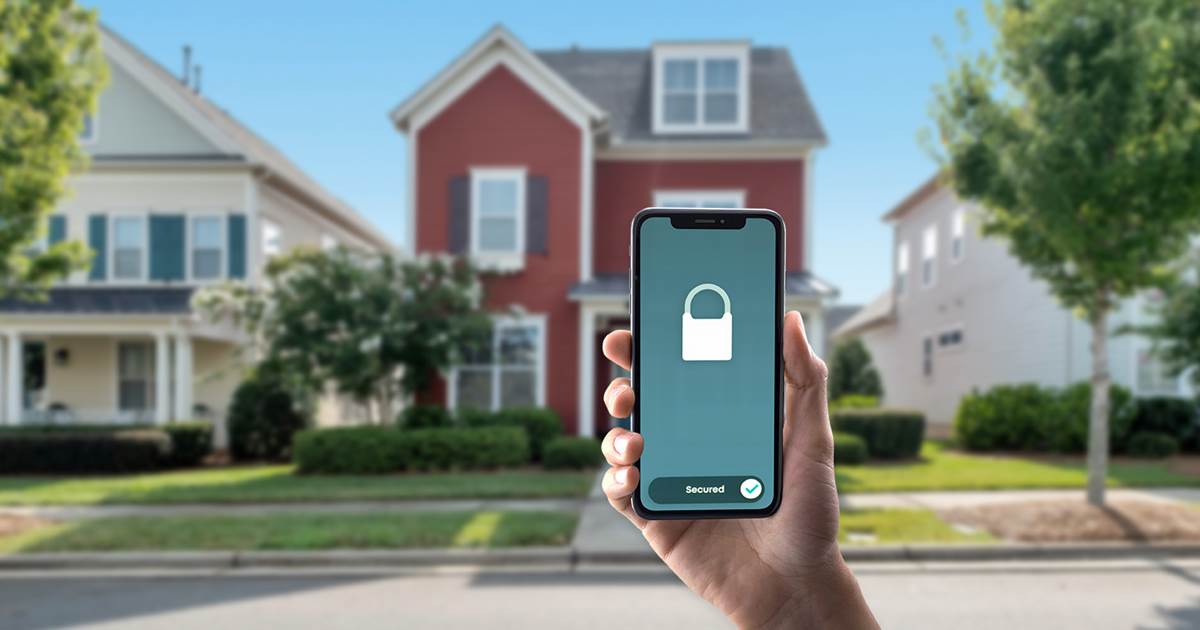
In an increasingly mobile world, people are rarely tied to their homes for long periods. Whether traveling for work, managing busy schedules, or simply going out for the day, homeowners appreciate knowing they can monitor their property from anywhere. Remote monitoring can turn a smartphone into a central command hub, ensuring full awareness of who approaches the home, when doors open, how indoor environments change, and whether unexpected motion occurs. Security Systems that incorporate remote features extend the boundaries of home protection far beyond the walls of the house, offering a security experience that is dynamic, responsive, and always accessible.
With more people turning to smart technology, these systems provide advanced features that combine convenience with safety. From high-definition cameras and two-way audio to automated lighting and AI-powered threat detection, homeowners now have access to tools that were once considered futuristic. Many of the best Security Systems go beyond basic alarm notifications. They analyze activity patterns, store video evidence, and help differentiate between harmless daily activities and suspicious behavior. The peace of mind that comes from this level of intelligence is unmatched, especially for families, frequent travelers, and homeowners who prefer staying prepared rather than reactive.
This article explores how Security Systems with remote monitoring work, why they are trusted by millions of homeowners, and what features are essential for those wanting a truly reliable and future-ready solution. With expert insights, practical explanations, and a detailed look at real-world benefits, this guide will help you understand the value of remote monitoring and how it enhances the effectiveness of modern home safety.
What Makes Remote Monitoring Essential for Modern Security
Remote monitoring has become a defining characteristic of advanced Security Systems because it gives homeowners immediate awareness and control. Traditional alarms could alert you only after a sensor was triggered, and even then, you needed to be at home or rely on neighbors or third-party services to intervene. In contrast, remote monitoring connects the homeowner directly to their home’s security network using mobile apps, web dashboards, or integrated smart home devices. This level of access ensures that you are never disconnected from your property, no matter where you are.
One of the most compelling advantages of remote monitoring is its ability to provide real-time notifications. When a sensor detects movement, when a door opens, or when someone stands at the front door, Security Systems can instantly alert the homeowner. These notifications are sent directly to smartphones or wearables, enabling immediate action. Homeowners can choose to communicate through two-way audio, activate alarms, call authorities, or simply observe the situation through live video feed. This speed and immediacy are crucial for preventing break-ins, responding to emergencies, or verifying unexpected activity.
Another reason remote monitoring has become essential is its ability to reduce false alarms. Older alarm systems were often prone to misinterpretation, requiring manual inspection or physical presence to understand what triggered the alert. Today’s sophisticated Security Systems include motion detection zones, person recognition, and object tracking capabilities that help minimize unnecessary worry. Homeowners can view the cause of an alert within seconds, ensuring they respond appropriately and only when necessary. This makes monitoring more efficient and less stressful, especially in households where pets, wildlife, or frequent visitors could otherwise trigger false notifications.
Remote monitoring also offers the significant benefit of video verification. Many crimes are resolved through clear video evidence, and modern Security Systems provide homeowners with high-definition footage stored securely in the cloud or on local devices. Video verification enables faster response from law enforcement, as verified incidents are treated with higher priority compared to unverified alarms. Homeowners can also review past footage to identify patterns, track suspicious behavior, or verify whether packages were delivered safely. This adds a crucial layer of protection that traditional systems simply cannot provide.
Furthermore, remote monitoring ensures that families always have visibility into what is happening at home. Parents can check on children arriving from school, monitor elderly family members, and even keep an eye on pets during the day. Many households use Security Systems not just for safety but for daily assurance and communication. Live video streams and app controls offer transparency and convenience that contribute to a more connected and secure home environment.
How Security Systems with Remote Monitoring Work
Understanding how remote-monitoring Security Systems operate can help homeowners appreciate the depth of protection they offer. These systems are built around interconnected devices that communicate through wireless networks, cloud servers, and encrypted channels. Each component plays a critical role in ensuring that the homeowner receives accurate, timely, and actionable information.
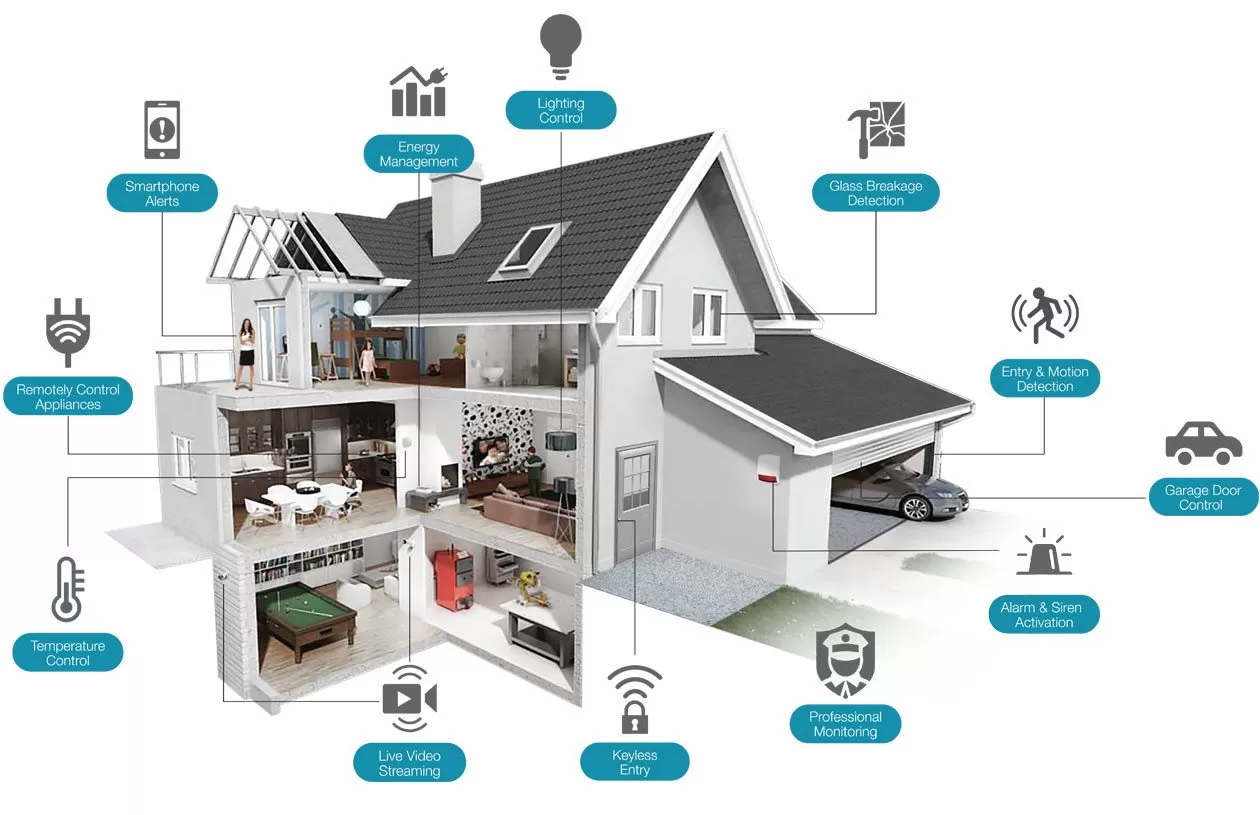
At the core of most remote-enabled Security Systems is a smart hub. This device acts as the command center, connecting sensors, cameras, alarms, and smart accessories to the cloud. The hub processes data from all connected devices, communicates with mobile apps, and ensures that commands from the homeowner reach every relevant part of the system. The smart hub is typically equipped with battery backup and cellular communication, ensuring continuous operation even during power outages or internet disruptions.
Cameras are another indispensable component of remote-monitoring setups. Modern cameras capture high-resolution video both day and night, sometimes using thermal imaging or infrared technology to detect intruders in complete darkness. The video feed is transmitted to secure servers or directly to mobile apps, giving homeowners instant access to what is happening at any given moment. Most cameras also include motion detection technology that helps distinguish between humans, animals, and non-threatening activity, making these Security Systems far more precise and reliable.
Sensors play a vital role in monitoring specific zones within the home. Door and window sensors detect openings or forced entry attempts. Motion sensors track movement within rooms or hallways. Environmental sensors monitor smoke, carbon monoxide, temperature shifts, and water leaks. Each of these sensors contributes valuable data to the system, allowing the smart hub to interpret and alert the homeowner when something unusual occurs. This interconnected network ensures complete home coverage and enables a multi-layered approach to security.
Mobile apps are arguably the most recognizable part of modern Security Systems with remote monitoring. These apps allow homeowners to control every aspect of their system from anywhere in the world. Users can view live video streams, arm or disarm their system, review event logs, speak through two-way audio devices, and receive alerts directly on their smartphone. These apps are designed to be intuitive, user-friendly, and secure, making it easy for individuals of any technical background to manage their home protection.
Cloud integration is another key element of remote monitoring. Cloud servers store recorded video, system logs, and event data securely. This ensures that footage is protected even if cameras or local storage devices are tampered with. Cloud connectivity enables real-time data transfer between devices, the smart hub, and mobile apps, ensuring that homeowners always receive up-to-date information. This is a critical advantage, as delays in alerts can significantly reduce the effectiveness of a security solution.
Finally, remote-monitoring Security Systems rely on strong encryption and authentication protocols to safeguard user information. Because these systems transmit sensitive video and home data, manufacturers prioritize advanced security measures to prevent unauthorized access. Homeowners can trust that their footage and system controls remain protected, giving them peace of mind that extends beyond physical threats.
Key Features of Security Systems with Remote Monitoring
Modern Security Systems with remote monitoring are designed with advanced features that enhance convenience and improve user control. These features ensure that homeowners not only receive alerts but also have the tools necessary to respond quickly and intelligently. One of the most important features is real-time video access. High-definition cameras, night vision capabilities, and wide-angle lenses provide precise visibility, enabling homeowners to clearly observe activity on their property. This level of clarity helps verify whether a threat is real and supports video evidence collection if needed.
Another significant feature is smart alerts. These alerts can differentiate between people, vehicles, animals, and other movements, reducing false alarms and giving homeowners confidence that alerts are relevant. For example, when motion is detected near entry points, Security Systems can notify homeowners instantly and display a snapshot or video clip. This allows for immediate assessment and appropriate response, ensuring the home remains protected at all times.
Integrated smart home support is another hallmark of advanced remote-monitoring Security Systems. Many systems seamlessly connect to smart locks, smart lights, voice assistants, thermostats, and other devices. This allows homeowners to create automated routines, such as turning on exterior lights when motion is detected or locking doors remotely if someone forgets. These interconnected features enhance both security and convenience, making the system more efficient and user-friendly.
Two-way audio communication is another valuable feature commonly found in modern systems. Cameras equipped with microphones and speakers allow homeowners to speak directly to visitors, delivery personnel, or even potential intruders. This added communication layer enables users to deter threats before they escalate and interact with individuals without needing to open the door or be physically present.
Many Security Systems also offer intelligent scheduling and customizable modes. Homeowners can tailor settings based on their daily routines. For example, systems can be configured to arm automatically at night or when the homeowner leaves. Custom modes allow specific sensors or cameras to be activated during certain times, offering flexible security that aligns with personal habits and preferences.
Advanced storage options further enhance remote monitoring. Homeowners can choose between cloud storage or local storage through memory cards or network devices. Cloud storage is particularly beneficial because it ensures that data remains accessible even if cameras or local hardware are damaged or stolen. This capability strengthens the reliability of Security Systems, making them a dependable long-term investment.
Encryption and cybersecurity features play a crucial role in protecting remote access and data stored within the system. Manufacturers incorporate advanced security protocols, multi-factor authentication, and privacy settings that allow users to control who can access their system. These protective measures ensure that video feeds and system controls remain secure from unauthorized access, preserving the user’s privacy and safety.
Benefits of Security Systems with Remote Monitoring
The benefits of remote-monitoring Security Systems extend far beyond basic protection. One of the most significant advantages is the continuous visibility they provide. Homeowners can check on their property at any moment, giving them a consistent sense of awareness and control. This level of transparency supports informed decision-making, whether the user is verifying a visitor’s identity or keeping an eye on the home while traveling.
Another major benefit is quicker response time during emergencies. Remote monitoring enables homeowners to act immediately when an alert is triggered. By viewing real-time footage, users can determine the seriousness of the situation and contact emergency services if necessary. This can significantly reduce the damage caused by break-ins, fires, or accidents. The speed and efficiency of remote monitoring offer a substantial improvement over older systems that relied heavily on delayed notifications.
Remote monitoring also enhances safety for families. Parents can track when children arrive home or ensure that elderly relatives are safe throughout the day. This sense of reassurance extends beyond security and contributes to overall household well-being. The convenience of being able to check on loved ones from anywhere brings tangible comfort to modern families.
Homeowners also appreciate the convenience that Security Systems with remote monitoring bring. The ability to manage settings, adjust modes, and control smart devices from a mobile app streamlines the entire home protection process. There is no need to manually arm or disarm the system or check on multiple devices individually. Instead, everything is centralized in one interface, making home management efficient and intuitive.
Another powerful benefit is the deterrent effect that visible Security Systems have on potential intruders. Criminals are significantly less likely to approach properties equipped with cameras and alarms, especially those with remote connectivity. Knowing that homeowners can intervene instantly or share video footage with law enforcement makes intruders think twice before targeting such a home.
Long-term cost savings are another important advantage. Remote-monitoring Security Systems help minimize property damage and loss by enabling quick response and prevention. Additionally, some insurance companies offer discounts for homes equipped with modern security solutions. These savings, combined with the peace of mind the systems provide, make the investment worthwhile for many households.
Why Remote Monitoring Enhances Peace of Mind
Peace of mind is one of the most valuable benefits offered by remote-monitoring Security Systems, and it stems from the consistent sense of security and control homeowners experience. Knowing that they can check on their home at any time provides emotional reassurance that traditional systems cannot match. Uncertainty breeds anxiety, but real-time visibility offers clarity, confidence, and calm.
Remote monitoring allows homeowners to stay connected even when they are far from home. Whether on vacation, at work, or out for the day, users can access their system with a few taps on their smartphone and view exactly what is happening. This direct connection eliminates the worry of “not knowing” and provides an immediate answer to any concerns about the home’s safety.
Another contributor to peace of mind is the system’s ability to prevent incidents before they escalate. Homeowners can intervene by using two-way audio or activating alarms when suspicious activity is detected. This proactive capability helps deter crime and address unexpected situations instantly, ensuring the property remains protected even during the homeowner’s absence.
Parents also gain reassurance from the ability to check in on children who arrive home while they are away. Individuals caring for elderly family members benefit from being able to monitor movement, temperature, and even medical emergencies through integrated sensors. These features extend the sense of safety to loved ones, reinforcing the emotional comfort that Security Systems provide.
Additionally, the enhanced reliability of modern systems contributes significantly to peace of mind. Battery backup, cellular communication, and secure cloud storage mean the system continues operating even during power outages, internet disruptions, or equipment malfunction. The consistency and trustworthiness of these systems build homeowner confidence and reduce worries about vulnerability.
Conclusion
Remote-monitoring Security Systems have become a vital part of modern home safety, offering homeowners unmatched visibility, control, and protection. They transform traditional security by giving users instant access to their property, real-time alerts, and advanced monitoring capabilities that safeguard both physical and emotional well-being. With features such as high-definition cameras, smart alerts, two-way audio, and cloud storage, these systems offer comprehensive coverage that adapts to the dynamic needs of today’s households.
The convenience, reliability, and peace of mind provided by remote monitoring make these systems a powerful solution for anyone serious about protecting their home. As technology continues to evolve, these Security Systems are becoming more intelligent, more intuitive, and more essential than ever. Homeowners benefit from proactive protection, faster response times, reduced risks, and a deeper connection to their property. Whether for families, frequent travelers, or individuals seeking robust security, remote-monitoring Security Systems deliver a level of confidence and calm that traditional setups simply cannot match. For further information, please visit our main page.
Frequently Asked Questions (FAQs)
How do remote-monitoring Security Systems differ from traditional systems?
Remote-monitoring Security Systems differ from traditional systems by offering real-time access, live video streaming, instant alerts, and mobile control. Traditional systems often rely on local alarms and delayed notifications, whereas remote-enabled systems give homeowners immediate awareness and control from anywhere, enhancing both convenience and response time.
Can remote-monitoring Security Systems work without Wi-Fi?
Yes, many remote-monitoring Security Systems can operate without Wi-Fi by using cellular connectivity. While a strong Wi-Fi connection improves video quality and system responsiveness, cellular backup ensures the system stays active even during internet outages, maintaining continuous protection.
Are remote-monitoring Security Systems easy to use?
Remote-monitoring Security Systems are designed with user-friendly apps and intuitive controls to make them easy for homeowners to operate. These apps allow users to arm or disarm the system, view live footage, review alerts, and control smart devices without requiring technical expertise, making security accessible for everyone.
Do remote-monitoring Security Systems improve emergency response times?
Yes, remote-monitoring Security Systems significantly improve emergency response times because they allow homeowners to verify alerts instantly and contact authorities with accurate information. Video verification and real-time notifications help determine the seriousness of an incident quickly, leading to faster intervention and reduced damage.
Is cloud storage necessary for remote-monitoring Security Systems?
Cloud storage is highly beneficial for remote-monitoring Security Systems because it protects video footage even if cameras or local storage devices are damaged or stolen. While local storage is an option, cloud access ensures recorded evidence is secure, accessible, and easy to retrieve when needed.