Understanding the MV88 Microphone
The MV88 Microphone sits at the intersection of high-end audio technology and accessibility, making it a standout choice for musicians, podcasters, and video creators alike. With the ever-growing demand for professional-quality recording equipment that fits into an on-the-go lifestyle, the MV88 answers the call. To gain an understanding of how this microphone can transform your recording experience, we’ll delve into its unique features, technical specifications, and how it compares to other microphones within its class. If you’re looking to up your recording game, the MV88 will prove to be an invaluable asset in your toolkit, as highlighted on our MV88 resource page.
What Makes the MV88 Unique?
The MV88 is distinguished by its innovative design and functionality. A compact stereo condenser microphone, it seamlessly connects to iOS devices via a Lightning connector, providing immediate access to powerful recording capabilities. Unlike traditional microphones that can be cumbersome and challenging to transport, the MV88 redefines convenience without sacrificing quality.
One of the most compelling features is its app compatibility. The ShurePlus MOTIV app allows users to control gain, monitor audio levels, and select from different polar patterns, including stereo, mono, and bi-directional. This level of control is essential for tailoring recordings to specific environments, whether you’re in a crowded café or a quiet studio.
Technical Specifications of the MV88
- Transducer Type: Condenser
- Frequency Response: 20 Hz - 20 kHz
- Directional Pattern: Configurable (Stereo, Mono, Bi-directional)
- Output Connection: Lightning connector for iOS devices
- Max SPL: 130 dB SPL
- Sample Rate: Up to 24-bit/48 kHz
These specifications underline the microphone’s ability to capture a wide frequency range with impressive clarity, offering both detail and depth, whether you’re recording vocals, instruments, or ambient sounds.
Comparing the MV88 with Other Microphones
When evaluating the MV88 against other microphones like the Rode NT-USB, Audio-Technica AT2020, and Sennheiser MKE 600, several factors come into play. While traditional condenser microphones require additional equipment such as audio interfaces or preamps, the MV88’s integration with iOS devices offers unparalleled portability and convenience.
In terms of audio quality, while microphones such as the Audio-Technica AT2020 provide a warm sound ideal for studio environments, the MV88 excels in versatility for both studio and field recordings. It's the go-to solution for those who need a reliable, high-quality microphone that performs well in various settings.
Setting Up the MV88 for Optimal Performance
Getting the MV88 up and running is straightforward, yet certain steps ensure you achieve the best audio fidelity. Configuration choices and positioning can make a significant difference in your recording quality, especially when considering different environments and audio sources.
Essential Equipment You’ll Need
While the MV88 itself is a powerhouse, pairing it with the following equipment can elevate your audio recordings further:
- Windshield: If recording outdoors, a windshield minimizes wind noise.
- Tripod or Boom Arm: Stabilizes the microphone and allows for flexible positioning.
- Headphones: Essential for monitoring audio levels and preventing feedback.
Having these components on hand guarantees that you are prepared for any recording scenario, maximizing the capabilities of the MV88.
How to Position Your MV88 for Best Sound
The positioning of the MV88 can significantly impact the quality of your recording. Here are some expert tips:
- The 3-1 Rule: Position the microphone at a distance of three times the height in front of your sound source, reducing proximity effect and managing distortion.
- Angle Adjustment: Tilt the microphone towards the sound source and away from unwanted noise to enhance audio clarity and focus.
- Room Acoustics: Record in spaces with softer surfaces where possible, as this minimizes echo and background noise.
Using these techniques can help in capturing a more authentic representation of the audio, particularly when recording vocals or delicate instruments.
Troubleshooting Common Setup Issues
Even the best equipment can encounter problems. Here’s how to troubleshoot common issues you may face when setting up the MV88:
- No Sound: Check if the microphone is properly connected to your device and ensure the recording app is set to receive input from the MV88.
- Poor Sound Quality: Review gain settings and make sure you are using the correct polar pattern for your recording environment.
- Interference: Keep your recording area tidy and free of electronic devices that may cause interference, and consider using ferrite beads on cables where necessary.
Proactively addressing these issues can help maintain high-quality recordings and a smooth production process.
Using the MV88 in Different Recording Scenarios
The MV88's versatility shines when tested in various recording scenarios, from music production to content creation. Different applications require tailored techniques to ensure the best audio capture.
Recording Vocals with the MV88
When recording vocals, clarity and presence are paramount. The MV88 excels in this domain with its ability to capture nuances in vocal performances. Here are some considerations:
- Pop Filters: Use a pop filter to minimize plosives, particularly with vocalists who pronounce consonants forcefully.
- Close Miking: Bring the microphone closer to the vocalist to exploit its sensitivity and frequency response.
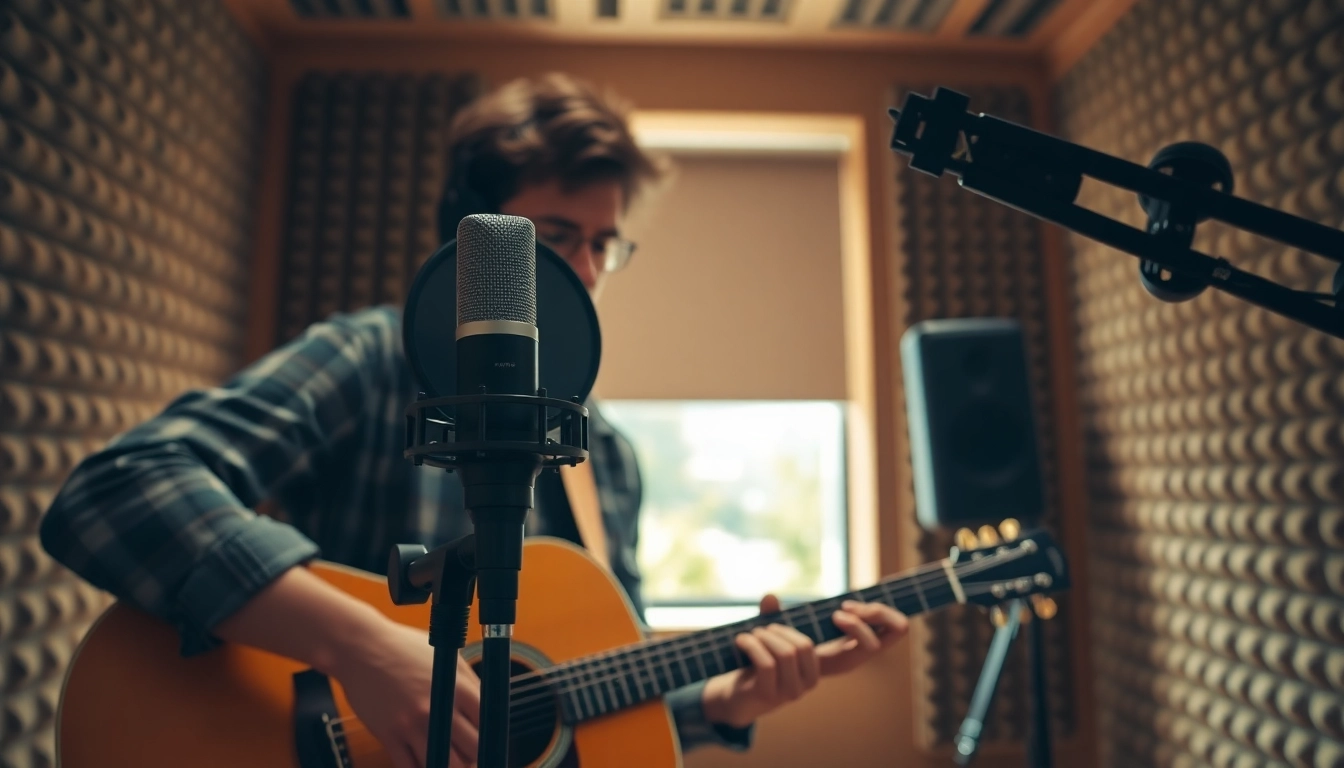
- Room Treatment: Ensure your recording space is acoustically treated to avoid unwanted reflections and background noise.
These best practices will enhance vocal recordings and improve the overall sound quality.
Instrument Recording Techniques with the MV88
For instrumental recordings, the approach varies depending on the instrument’s characteristics:
- Guitar: For acoustic guitar, position the MV88 near the sound hole while angling it towards the fretboard.
- Piano: Place the microphone away from the piano lid but within range to capture the complete sound without distortion.
- Drums: Utilize the instrument’s dynamic range by incorporating multiple MV88 microphones to capture different pieces of a drum kit effectively.
By tailoring your positioning and setup to the specific instrument, you maximize the MV88's ability to deliver high-fidelity audio recordings.
Live vs. Studio Recording: MV88 Applications
In both live and studio sessions, the MV88 proves to be remarkably adaptive. However, the techniques differ:
- Live Recording: Leverage its dynamic range and select a directional pattern to avoid crowd noise while capturing the artist’s performance.
- Studio Recording: Use various polar patterns to explore different sound captures, allowing for more nuanced recordings by capturing ambient room qualities.
Understanding how to utilize the MV88 effectively in both settings offers significant advantages in producing quality audio regardless of the environment.
Enhancing Your Workflows with the MV88
Incorporating the MV88 into your recording process not only enhances audio quality but also improves overall workflow efficiency. Here’s how you can make the most of this innovative microphone.
Integrating the MV88 into Your Home Studio
Setting up a home studio with the MV88 is about ensuring accessibility and functionality. Consider the following:
- Dedicated Space: Create a focused area in your home solely for the purpose of recording, equipped with proper sound treatment and organization.
- Software Suite: Invest in audio production software compatible with the MV88’s output, enhancing control over audio editing and mixing.
- Convenient Access: Position the MV88 in easily accessible spots to encourage spontaneous recording sessions without hassle.
By thoughtfully integrating the MV88 into your home studio, you can maximize creativity and productivity.
Mobile Recording Tips Using the MV88
The MV88’s compact nature makes it ideal for mobile recording. To optimize your recording while on the go, keep these tips in mind:
- Carrying Case: Use a protective case to keep the microphone secure during travel.
- Portable Power Supply: Consider a portable battery pack to ensure your device remains charged during long sessions.
- Plan Ahead: Scout recording locations in advance, assessing for noise levels, acoustics, and available equipment.
Implementing these strategies can lead to a seamless recording experience, regardless of your location.
Post-Production Techniques After Recording with MV88
The work doesn’t end once the recording is complete. Processing recorded audio is crucial to achieving polished final results. Here are effective post-production techniques:
- Noise Reduction: Utilize noise reduction tools in your audio software to minimize background hum or hiss.
- Equalization: Use EQ to enhance or reduce frequencies that may dominate or clash in your mix.
- Compression: Apply gentle compression to even out the dynamics of the recording, ensuring a more consistent output.
Success in post-production can significantly enhance the quality of your recordings, emphasizing the importance of attention even after the initial capture.
Real-World Applications and Testimonials
The MV88 is not just a theoretical concept; real artists and professionals across industries have embraced this microphone, leaving behind a trail of success stories and positive feedback.
Success Stories of Artists Using MV88
Many musicians have harnessed the power of the MV88 for creating high-quality recordings while maintaining flexibility in their workflow. For example, singer-songwriter Annie K. found that the MV88 allowed her to efficiently capture the essence of her music while on tour. Its compact size meant she could record anywhere without sacrificing audio fidelity.
Industry Reviews and Feedback
Industry experts have consistently lauded the MV88 for its audio quality and ease of use. Audio professionals suggest that the MV88 holds its ground against other studio-grade microphones, making it an essential part of their toolkit for music production and content creation.
The Future of Recording with MV88 Technology
As technology evolves, the application of microphones such as the MV88 will undoubtedly expand. The integration of software and technological advancements, like AI-driven enhancements in audio processing, promises a future where quality audio is more accessible than ever before. The MV88 stands at the forefront of this evolution, paving the way for innovation in portable audio recording.