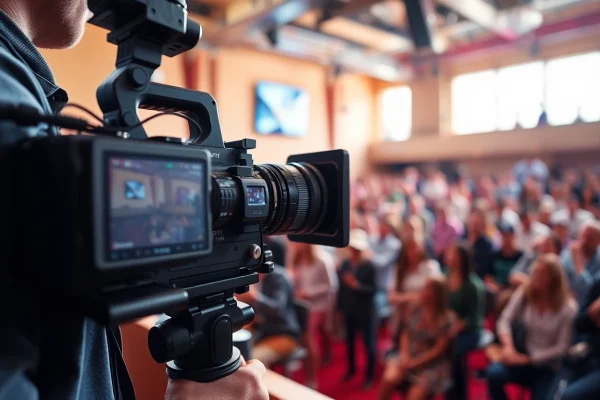
Understanding Commercial Videography
What is Commercial Videography?
Commercial videography is the art and practice of creating video content specifically designed for commercial purposes. This could include promotional videos, corporate training films, advertisements, brand storytelling, and product demonstrations. Unlike casual video production, commercial videography requires a professional approach that combines high-quality visuals, compelling narratives, and strategic marketing insights to engage an audience effectively. This field encompasses various aspects, such as scripting, shooting, editing, and marketing the final product.
Importance of Commercial Videography in Marketing
In today’s digital landscape, commercial videography is a cornerstone of effective marketing strategies. Videos have a unique ability to convey messages quickly and engagingly, ensuring that audiences retain information better than through static images or text alone. With consumers increasingly gravitating towards video content on various platforms, businesses leveraging commercial videography can significantly enhance their visibility, strengthen brand perception, and drive conversions. Video content boosts engagement metrics, leading to higher clicks, shares, and purchase rates—making it an essential tool for marketing success.
Common Types of Commercial Videography
Various forms of commercial videography cater to different marketing needs and goals. Some of the most common types include:
- Promotional Videos: These videos highlight products, services, or events to generate interest and drive sales.
- Corporate Videos: Used for internal communication or branding, these videos can range from employee training to company culture highlights.
- Product Demos: These showcase a product’s features and benefits, helping customers understand how it meets their needs.
- Testimonial Videos: Featuring satisfied customers, these videos build trust and provide social proof for potential clients.
- Event Coverage: Captures live events such as conferences, launches, or fundraisers to reach broader audiences through online platforms.
Essential Equipment for Commercial Videography
Recommended Cameras for Commercial Videography
Investing in the right camera equipment is crucial for achieving high-quality results in commercial videography. Below are some recommendations:
- DSLR Cameras: Cameras like Canon EOS 5D Mark IV and Nikon D850 offer great video quality and versatility.
- Mirrorless Cameras: Options like Sony A7 III and Panasonic Lumix GH5 provide excellent autofocus and 4K video capabilities.
- Camcorders: Professional camcorders such as the Canon XF405 are ideal for event coverage and interviews, given their ergonomic design.
- Smartphone Cameras: High-end smartphones like iPhone 12 Pro and Google Pixel 5, equipped with advanced camera systems, can be used for on-the-go videography.
Accessories Every Videographer Needs
In addition to cameras, having the right accessories can significantly enhance the overall production quality. Essential accessories include:
- Tripods: A stable tripod reduces shaky footage, ensuring professional-looking videos.
- Gimbals: For dynamic shots, gimbals provide smooth motion and stabilization.
- External Microphones: Clear audio is critical; lavalier mics or shotgun mics can capture high-quality sound.
- Lighting Kits: Proper lighting enhances video quality; ring lights and softbox setups can create the desired ambiance.
- Memory Cards: High-capacity, fast-write speed memory cards ensure you don’t miss critical footage during recording.
Editing Software for Professional Results
Post-production is where the magic happens in commercial videography. Good editing software can elevate raw footage to professional standards. Some popular choices include:
- Adobe Premiere Pro: A powerful tool for professional video editing offering a wide range of features.
- Final Cut Pro: Optimized for Mac users, this software offers a fluid interface and strong performance capabilities.
- DaVinci Resolve: Known for its exceptional color grading tools, it’s a favorite among filmmakers.
- HitFilm Express: A great free option for beginners that combines editing and visual effects.
Techniques for Effective Storytelling
Creating a Compelling Narrative in Commercial Videography
Storytelling is at the heart of effective commercial videography. A compelling narrative can engage viewers emotionally, making them more likely to remember and connect with a brand. Here are key elements to consider:
- Identify Your Audience: Understand who your video is for and tailor the story to resonate with them.
- Establish a Clear Message: Your video should have a central theme that ties all elements together.
- Structure Your Story: Follow a three-act structure (setup, confrontation, resolution) to ensure a logical flow.
- Use Visuals Wisely: Leveraging visuals to support the story enhances engagement and impact.
Utilizing Travel and Time-lapse Techniques
Travel and time-lapse photography can add unique dimensions to your videos. Travel videography allows you to showcase a journey or experience, immersing the audience in different locations. Time-lapse, on the other hand, condenses hours or days of footage into a short segment, illustrating change or progression effectively. When done well, these techniques can captivate viewers and evoke emotional responses, enhancing the storytelling aspect of your videos.
The Role of Sound Design in Videos
Sound design is an often-overlooked element that can greatly influence the impact of commercial videos. Effective use of sound—dialogue, music, and sound effects—can enhance the emotional tone and the overall quality of a video. Consider these tips:
- Choose Appropriate Music: Background music should complement the visuals and set the overall mood.
- Enhance with Sound Effects: Adding subtle sound effects can make the video more immersive and engaging.
- Invest in Clear Audio: Ensure dialogues are crisp and clear; consider using professional recording equipment for interviews.
Marketing Your Commercial Videography Services
Building a Professional Portfolio
Your portfolio serves as your calling card in the world of commercial videography. It should showcase your best work and demonstrate your versatility. Include a variety of projects, such as promotional videos, corporate shoots, and testimonials to illustrate your range. Make sure each entry is accompanied by a brief description that outlines the project’s objectives, your role in it, and the results that were achieved. A well-structured portfolio can significantly enhance your credibility and attract potential clients.
Leveraging Social Media for Visibility
Social media platforms offer excellent opportunities to showcase your work and reach wider audiences. Utilize platforms such as Instagram, Facebook, and LinkedIn to share snippets of your video projects and engage with your audience. Consider creating behind-the-scenes content to foster connections or host live Q&A sessions to address client queries. Regularly posting content will help establish your brand’s identity and keep your services at the forefront of potential clients’ minds.
Networking and Collaborating with Clients
Building relationships in the videography industry is crucial. Attend industry events, join local business groups, or participate in online forums related to videography. Collaborating with other creatives can open new avenues for projects and referrals. Don’t hesitate to reach out to former clients for repeat business and referrals; maintaining these relationships can lead to long-term success.
Measuring Success in Commercial Videography
Key Performance Indicators to Track
Monitoring the effectiveness of your commercial videography projects involves tracking various Key Performance Indicators (KPIs) that can gauge viewer engagement and overall success. Important KPIs include:
- View Count: Indicates how many times your video has been watched.
- Engagement Rate: Measures interactions (likes, shares, comments) relative to total views.
- Conversion Rate: Tracks how many viewers took desired actions after watching your video, such as signing up or making a purchase.
- Audience Retention: Shows how long viewers are watching, helping to understand at what points they drop off.
Gathering Client Feedback and Testimonials
Client feedback is invaluable for improving your services and building trust with potential clients. After completing a project, request feedback on various aspects, such as communication, creativity, and execution. Positive testimonials can enhance your portfolio and act as powerful marketing tools. Consider creating a dedicated testimonials page on your website to highlight client satisfaction.
Adapting Strategies Based on Metrics
Use the insights garnered from tracking KPIs and client feedback to refine your strategies continually. Identify high-performing videos and analyze what made them successful—consider aspects like content, style, or target audience. Conversely, examine underperforming videos to understand what may have gone wrong. Adapting your approach based on these metrics can lead to continuous improvement and greater success in your commercial videography endeavors.
Frequently Asked Questions
What is the cost of hiring a commercial videographer?
The cost can vary greatly depending on experience, project complexity, and duration. Generally, it ranges from a few hundred to several thousand dollars.
How long does it take to produce a commercial video?
Production timelines vary. Simple projects may take a week, while more complex videos can take several weeks or even months to complete.
Can I use stock footage in my commercial video?
Yes, stock footage can be a cost-effective solution, but ensure you have the proper licensing to avoid legal issues.
What is the best platform for sharing commercial videos?
Popular platforms include YouTube, Vimeo, and social media sites like Instagram and Facebook, depending on the target audience.
Do I need a script for my commercial video?
Having a script helps ensure clarity and coherence, guiding the production process and ensuring key messages are included.