Understanding the Role of a New York City Construction Manager
The role of a New York City Construction Manager is multifaceted, demanding a diverse skill set that combines technical knowledge with managerial acumen. This position serves as the backbone of urban development projects, ensuring that everything runs smoothly from inception to completion. Construction managers act as a bridge between various stakeholders, including clients, architects, engineers, and subcontractors, to ensure that each construction project adheres to budget, timeline, and quality standards.
Key Responsibilities
A construction manager’s key responsibilities encompass a range of activities essential for the effective management of construction projects. This includes:
- Project Planning: Developing detailed project plans that outline timelines, resources, and budget estimates.
- Budget Management: Overseeing financial aspects to keep projects within budget while maintaining quality.
- Compliance Management: Ensuring all work complies with local codes, zoning laws, and environmental regulations.
- Coordination: Coordinating with various teams—architects, engineers, and subcontractors—to align everyone’s efforts.
- Quality Control: Monitoring construction activities to ensure adherence to project specifications and quality standards.
Essential Skills Needed
To excel as a New York City construction manager, certain essential skills are imperative:
- Communication: Strong verbal and written communication skills are crucial for facilitating effective collaboration among diverse teams.
- Problem-Solving: An ability to quickly identify and resolve issues that may arise during the construction process is vital for maintaining project momentum.
- Leadership: Leading teams effectively, motivating staff, and cultivating a productive work environment are key to project success.
- Technical Knowledge: A deep understanding of construction methods, materials, and engineering principles is essential.
- Negotiation: Skills in negotiation are necessary for securing favorable terms with suppliers and subcontractors.
Impact on Project Success
The effectiveness of a New York City construction manager directly impacts the overall success of construction projects. Their ability to manage risk, control costs, and maintain timelines can mean the difference between a project’s success or failure. Moreover, managers must also ensure that sustainability practices are embedded within the project, which is increasingly becoming a priority in urban construction.
Effective Project Management Strategies
Successful project management strategies are crucial for navigating the complexities associated with urban construction. Implementing these techniques can ensure effective resource utilization and project completion.
Planning and Resource Allocation
Effective planning and resource allocation set the foundation for any construction project. Managers must:
- Develop comprehensive plans that detail every phase of the project.
- Identify resources required, including labor, materials, and equipment, to avoid delays.
- Allocate budgets wisely to ensure funds are available for each phase without overspending.
Risk Management Techniques
Risk management is integral to construction management. Effective techniques include:
- Risk Assessment: Identify potential risks early on and assess their impact on project timelines and costs.
- Mitigation Strategies: Develop strategies to minimize the likelihood of risks materializing, such as sourcing alternative suppliers.
- Regular Monitoring: Continuous monitoring of project progress and risks helps managers react promptly when issues arise.
Utilizing Technology in Project Management
In today’s digital age, leveraging technology can profoundly enhance project management efficiency. Tools such as Building Information Modeling (BIM) enable managers to visualize projects, streamline communication, and facilitate better decision-making. Project management software also assists in tracking progress, assigning tasks, and managing budgets in real-time.
Challenges Faced by New York City Construction Managers
Construction managers face a variety of challenges unique to New York City’s urban landscape. Awareness and proactive management of these challenges are vital for successful project implementation.
Regulatory and Environmental Compliance
Adhering to a complex web of regulations and compliance standards is one of the most significant challenges. Managers must stay updated on local building codes, safety regulations, and environmental legislation, ensuring that every facet of the project meets these requirements to avoid costly delays and penalties.
Dealing with Budget Constraints
Budgetary constraints can complicate project management, especially in a high-cost environment like New York City. Construction managers must prioritize effective cost control measures, tight financial planning, and transparent communication with stakeholders to keep projects within budget without compromising quality.
Labor Shortages in Urban Areas
Labor shortages can pose serious challenges to construction timelines. Skilled labor is often in high demand, and finding qualified workers can be challenging. Construction managers may need to invest in training programs or collaborate with trade schools to create a pipeline of skilled labor for future projects.
Best Practices in Urban Construction Projects
Implementing best practices not only leads to successful project outcomes but also enhances the reputation of construction managers and firms.
Collaboration with Stakeholders
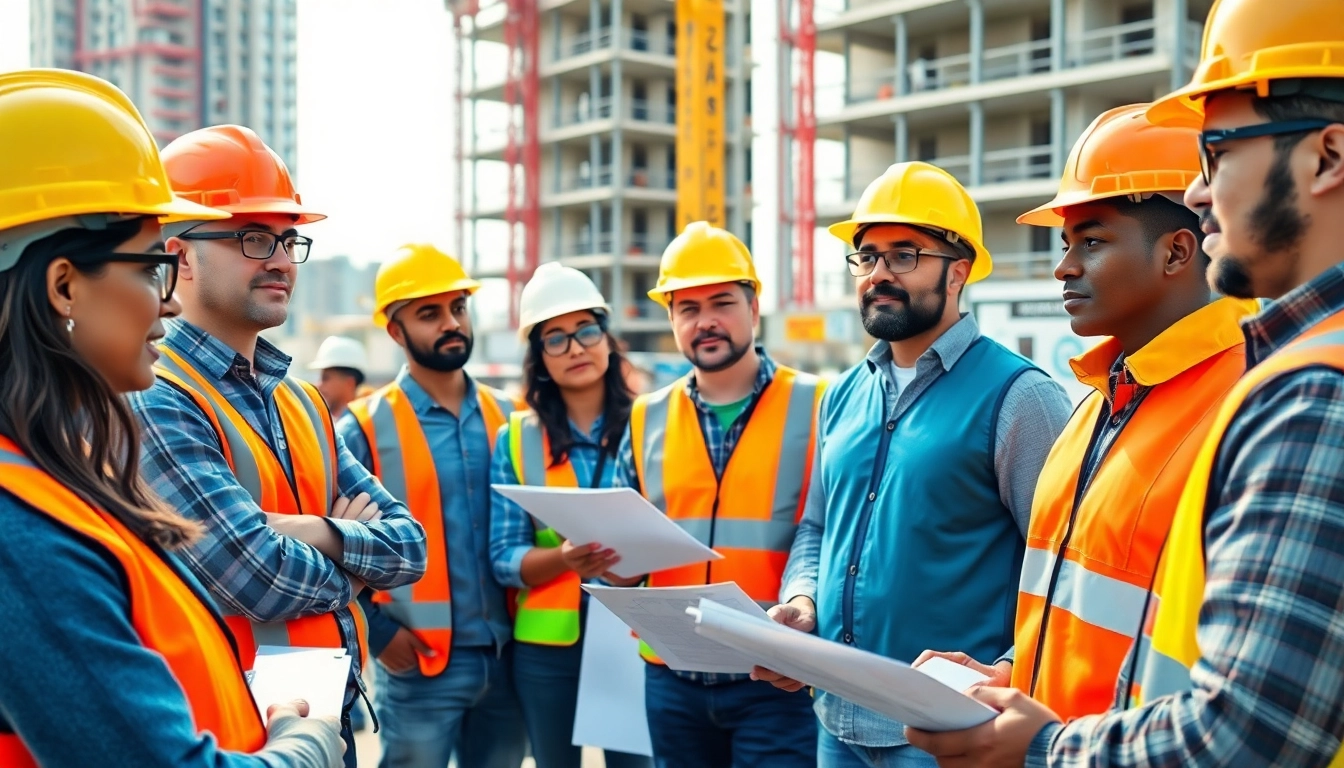
Effective collaboration among all stakeholders is critical. Construction managers should foster an inclusive environment where all voices are heard, from clients to subcontractors. Regular meetings, open communication channels, and using collaborative technologies are effective strategies in enhancing stakeholder engagement.
Adopting Sustainable Practices
As sustainability becomes increasingly important, construction managers must integrate green building practices into their projects. This includes using sustainable materials, minimizing waste, and ensuring energy efficiency, which not only helps the environment but can also lead to long-term cost savings for clients.
Innovative Construction Techniques
Embracing innovative construction techniques, such as modular construction and off-site fabrication, can significantly reduce overall project time and costs. By adopting these methods, construction managers can improve efficiency and respond to the fast-paced demands of urban development.
Future Trends for New York City Construction Management
Staying ahead of industry trends is essential for New York City construction managers. The following trends are likely to shape the future of urban construction.
The Rise of Smart Buildings
Smart buildings, equipped with advanced technologies like IoT systems, energy-efficient solutions, and automated controls, are becoming more prevalent. These technologies can provide better energy management, improved security, and enhanced tenant experiences, making them a significant focus for future construction projects.
Impact of Urbanization Trends
The ongoing trend of urbanization poses both challenges and opportunities for construction managers. Increased demand for housing and commercial spaces requires innovative solutions that prioritize efficiency and sustainability, emphasizing the need for adaptive construction management approaches.
Adapting to Climate Change Challenges
With climate change presenting new risks, construction managers must consider long-term sustainability in their projects. Implementing resilient designs that can withstand extreme weather conditions and using eco-friendly materials will become increasingly important in future construction initiatives.
Frequently Asked Questions
1. What qualifications are needed to become a construction manager in NYC?
Typically, a bachelor’s degree in construction management, civil engineering, or architecture is required, along with relevant work experience. Certifications can also enhance job prospects.
2. How do construction managers ensure compliance with regulations?
Construction managers stay updated on local building codes and regulations, often working with legal advisors and compliance specialists to ensure all aspects of the project meet required standards.
3. What are common challenges in urban construction?
Common challenges include regulatory compliance, budget constraints, labor shortages, and navigating complex logistical issues that arise in dense urban environments.
4. How can technology improve construction management?
Technology enhances construction management by enabling real-time tracking of progress, improving communication, facilitating project visualization through BIM, and optimizing resource allocation.
5. Why is sustainable construction important?
Sustainable construction minimizes environmental impact, conserves resources, and often results in long-term cost savings for building owners while meeting increasing regulatory requirements.