Understanding the 10kw Hybrid Solar System
The 10kw hybrid solar system is an advanced energy solution that combines the benefits of both solar power generation and battery storage systems. This configuration allows homeowners to harness solar energy not just for immediate consumption but also for usage when the sun isn’t shining, providing a reliable and sustainable power source. As energy demands increase and the push for green technologies escalates, understanding the functionality, components, and advantages of hybrid solar systems becomes essential for homeowners looking to optimize their energy usage.
What is a 10kw Hybrid Solar System?
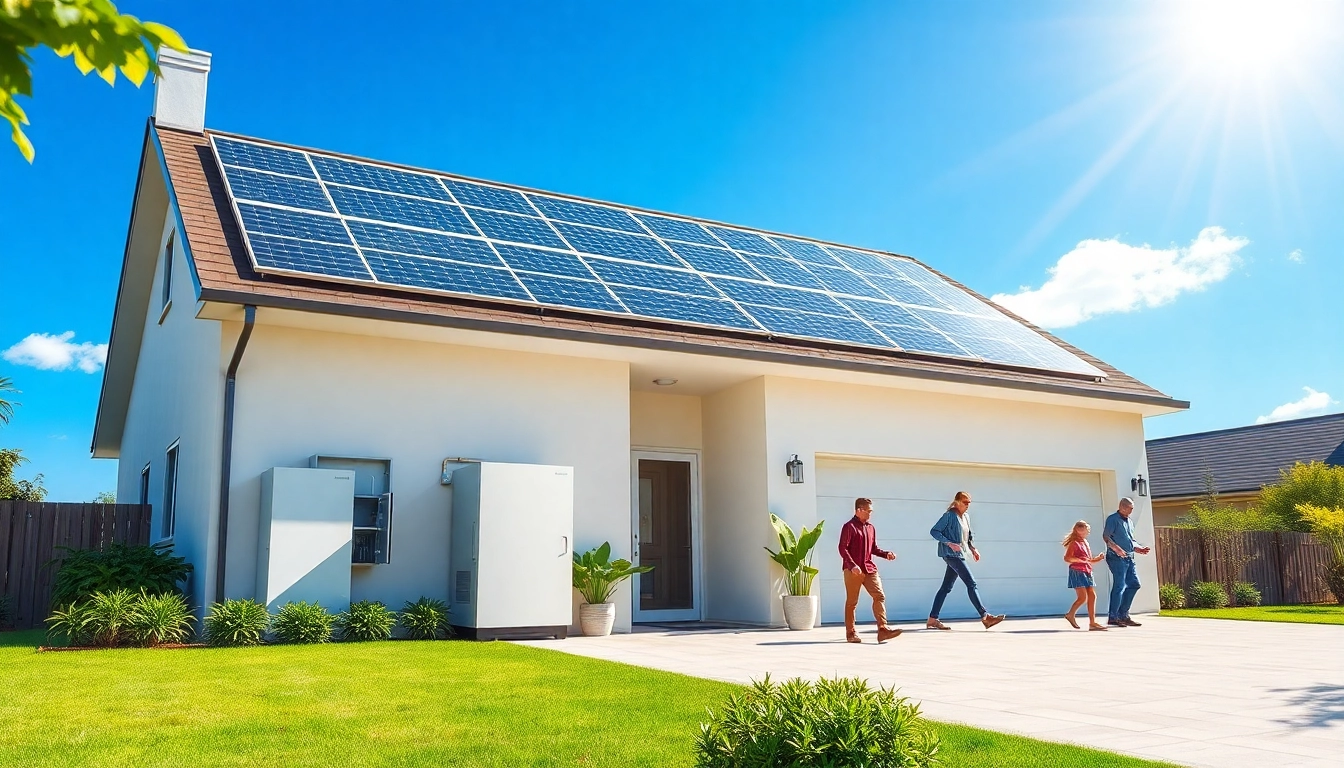
A 10kw hybrid solar system is a renewable energy installation that integrates solar panels, a hybrid inverter, and battery storage to deliver an efficient and effective power solution for medium to large homes. Unlike traditional solar systems that only generate electricity from sunlight, hybrid systems can store excess energy for later use, thus ensuring that households have access to power during peak demands, at night, or during outages. This adaptability increases energy autonomy and reduces reliance on grid electricity.
Key Components of a Hybrid Solar System
Understanding the core components is crucial for anyone considering a 10kw hybrid solar system:
- Solar Panels: Typically, a 10kw system includes around 14 high-efficiency solar panels, often monocrystalline, capable of producing optimal energy outputs.
- Hybrid Inverter: This is the heart of the system, converting solar energy into usable electricity for home appliances and allowing for the integration of battery storage.
- Battery Storage: A lithium battery, often rated around 20kWh, stores excess energy generated during sunny conditions, making it available for use at times of high demand or during the night.
- Mounting Hardware: Essential for securing solar panels to your home, ensuring they withstand environmental factors like wind and rain.
- Monitoring System: Many systems come with apps or interfaces that allow homeowners to monitor energy generation and consumption in real time.
Advantages of Choosing a 10kw Hybrid System
Investing in a 10kw hybrid solar system provides numerous advantages:
- Energy Independence: With the ability to generate and store energy, homeowners reduce their reliance on utility companies.
- Cost Savings: Reduced electricity bills and potential savings from selling excess power back to the grid can significantly offset installation costs.
- Environmental Impact: Utilizing renewable energy reduces carbon footprints and contributes to a sustainable future.
- Increased Property Value: Homes with solar systems often see an increase in property value, making it a worthy investment.
Evaluating Your Energy Needs
Assessing Household Energy Consumption
Before deciding on a 10kw hybrid solar system, it’s crucial to assess your household’s energy consumption. Begin by analyzing your electricity bills over the past year to identify your average monthly usage. The installation of a system that can meet or exceed this demand is essential for maximizing efficiency and cost-effectiveness.
Identifying Suitable Appliances for 10kw Systems
Understanding which appliances a 10kw system can power is vital for effective energy management. Typically, a 10kw hybrid solar system can efficiently handle:
- Air conditioners
- Refrigerators
- Washing machines
- Televisions and entertainment systems
- Electric vehicles
By identifying these appliances, homeowners can prioritize energy consumption and ensure that their solar system is optimized for their specific needs.
Real-World Performance Metrics of Hybrid Systems
Performance metrics for a hybrid solar system can vary based on location, weather conditions, and panel orientation. For instance, under ideal conditions, a well-optimized 10kw system can produce between 30 to 50 kWh per day, depending on the number of sunlight hours available. It’s essential to set realistic expectations based on your geographic location to gauge the potential output accurately.
Installation Process and Best Practices
Preparing Your Home for a Solar System Installation
Preparing for a solar installation involves several steps:
- Assess Your Roof: Ensure your roof has adequate space, the right orientation (ideally south-facing), and structural integrity to support a solar array.
- Consult Professionals: Work with certified solar installers who can evaluate your home’s suitability for a hybrid solar system.
- Understand Local Regulations: Familiarize yourself with local zoning laws, permits required, and any potential incentives for installing solar systems.
Step-by-Step Installation Guide for a 10kw Hybrid System
The installation of a 10kw hybrid solar system typically follows these steps:
- Site Assessment: A professional evaluates and verifies the site’s solar potential.
- Design Approval: Customizing a solar system design to meet the energy needs of the household.
- Permits: Securing all necessary local and state permits before installation begins.
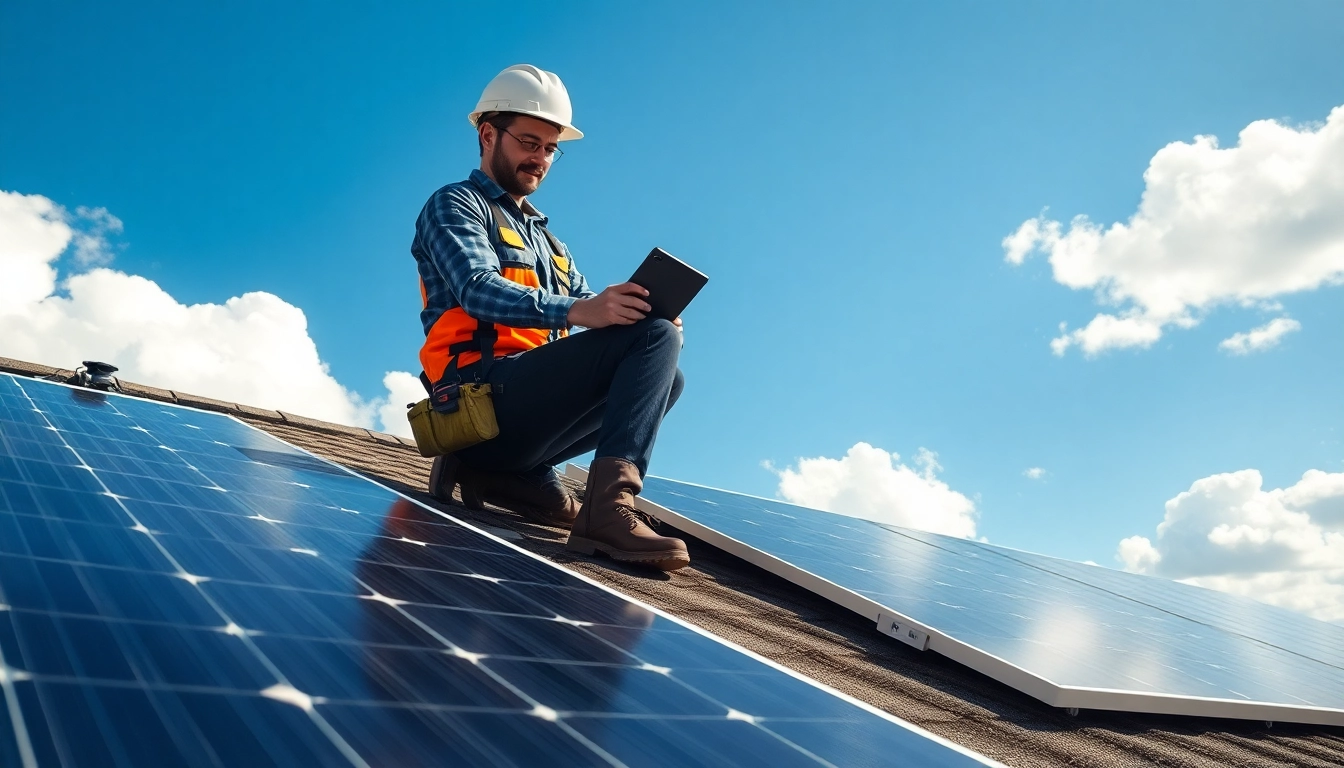
- Installation: Technicians install the solar panels, inverter, battery, and wiring.
- Testing and Activation: The system undergoes testing to ensure it functions as designed before becoming operational.
Common Installation Challenges and Solutions
During installation, several challenges may arise, such as:
- Roof Structural Concerns: Reinforcements may be needed for older roofs.
- Permit Delays: Engage with local authorities early to ensure all paperwork is in order.
- Weather Conditions: Unfavorable weather may delay installation. Plan accordingly during installation scheduling.
Maintenance and Efficiency Optimization
Maintaining Your Hybrid Solar System for Maximum Output
Regular maintenance is essential for ensuring your 10kw hybrid solar system operates at peak efficiency:
- Regular Cleaning: Dust and debris can impact energy production. Cleaning solar panels periodically can mitigate this issue.
- Inspections: Annual professional inspections can help detect potential issues before they escalate, keeping your system running smoothly.
Monitoring Energy Production and Storage
Most modern hybrid solar systems come equipped with monitoring capabilities, allowing homeowners to track energy production and storage levels in real-time. This data can help you adjust your energy usage patterns and inform decisions about energy consumption or additional investments in solar technologies.
Upgrading Components for Improved Efficiency
As technology evolves, consider upgrading system components for improved performance. High-efficiency solar panels or advanced battery technologies can enhance your energy yield, ultimately maximizing the return on investment.
The Future of Solar Energy Solutions
Emerging Technologies in Hybrid Solar Systems
The landscape of solar technology is rapidly advancing. New innovations, such as improved battery chemistries (e.g., solid-state batteries) and enhanced photovoltaic materials, are continuously evolving, making hybrid solar systems more efficient and cost-effective.
Government Incentives and Financial Considerations
Understanding and leveraging available government incentives can significantly reduce the upfront costs of installing a 10kw hybrid solar system. Tax credits, rebates, and financing options often exist to encourage homeowners to invest in renewable energy solutions.
Future Trends in Solar Energy for Homeowners in 2025
As we approach 2025, homeowners can expect further declines in solar technology costs, increased adoption of battery storage solutions, and an emphasis on energy independence. With the growing movement toward sustainable living, investing in a 10kw hybrid solar system not only benefits individual households but also contributes positively to the planet’s future.