
Understanding Bridge Cranes: Key Features and Benefits
Bridge cranes, sometimes referred to as overhead cranes, play a pivotal role in lifting heavy loads across various industrial environments. These versatile machines facilitate the seamless movement of goods and materials, enhancing productivity and safety in workplaces. With the ability to span large areas, bridge cranes are indispensable in manufacturing, warehouses, and construction sites. Whether you are looking to optimize your production line or manage heavy lifting tasks more effectively, exploring various options and specifications can significantly inform your decision-making process. One such option is the bridge crane, which offers tailored solutions for diverse lifting needs.
What is a Bridge Crane? Definition and Overview
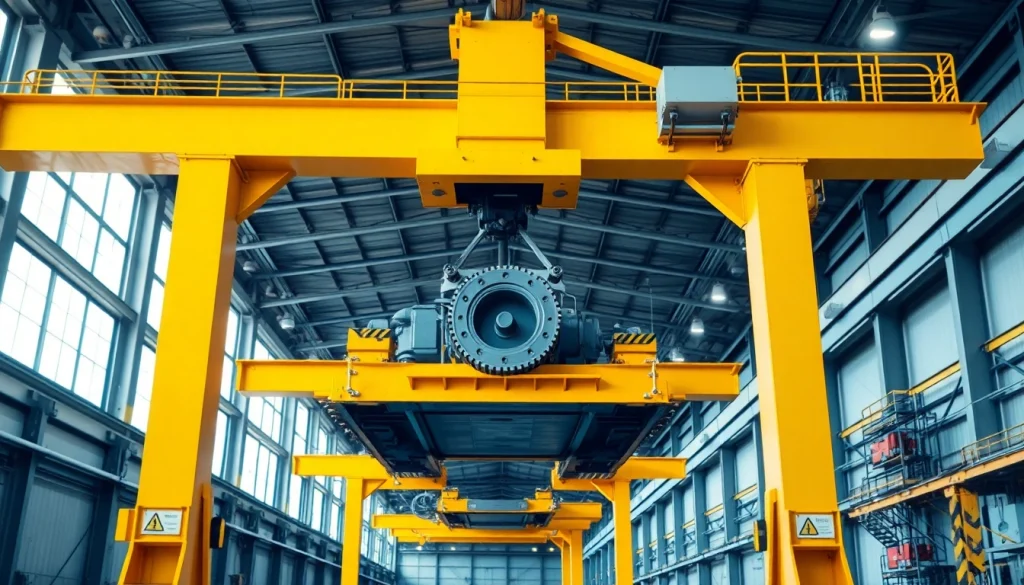
A bridge crane is a type of overhead crane that consists of a bridge beam supported by two end trucks, which operate along parallel runways. This design allows the crane to move horizontally across a workspace while lifting loads vertically. These cranes are typically powered by electric or hydraulic systems and can be custom-designed to meet specific requirements, including lifting capacity and span length. They are particularly efficient for heavy lifting tasks in factories, warehouses, and distribution centers, making them a popular choice in various industries.
Core Components of a Bridge Crane
- Bridge Beam: The main structure that spans the distance between the runways, often made from steel or aluminum.
- Runways: The tracks that support the bridge crane, positioned on the building’s structure to allow lateral movement.
- End Trucks: Mechanisms that house the drive wheels and enable the crane to travel along the runways.
- Hoist: The lifting mechanism attached to the bridge beam, responsible for raising and lowering loads.
- Controls: Systems that allow operators to manage the crane’s movements, usually via pendant controls or remote operation.
Advantages of Using Bridge Cranes in Industrial Applications
Bridge cranes offer numerous advantages that make them essential in industrial settings:
- Efficiency: The ability to move heavy loads quickly and effortlessly increases productivity.
- Space Optimization: Utilizing vertical space frees up floor area, allowing for better organization.
- Safety: Designed with safety features, bridge cranes reduce the risk of accidents associated with manual lifting.
- Versatility: Capable of handling various materials, from raw goods to finished products, across multiple industries.
- Customizability: Available in various configurations to meet specific operational requirements, ensuring a perfect fit for any facility.
Types of Bridge Cranes and Their Applications
Single Girder vs. Double Girder Bridge Cranes
When considering bridge cranes, it’s crucial to understand the differences between single girder and double girder configurations. Single girder bridge cranes are typically lighter and more cost-effective, making them suitable for smaller operations or lower capacity needs. They consist of one main beam supporting the hoist. In contrast, double girder bridge cranes have two beams, allowing for greater lifting capacity and span length. This makes them ideal for heavy-duty applications, often found in manufacturing plants and shipping yards.
Specialized Bridge Cranes for Unique Industries
Different industries have specific requirements that bridge cranes can accommodate through specialized designs:
- Automotive Industry: Bridge cranes designed for automotive manufacturing facilitate the movement of heavy machinery and parts efficiently.
- Construction: Temporary bridge cranes are often used on construction sites to transport materials, enhancing workflow and safety.
- Warehousing: Automated bridge cranes are integrated into warehouse management systems to streamline inventory handling.
- Aerospace: Specialized cranes designed for the aerospace sector can handle delicate components, ensuring minimal risk during transportation.
Choosing the Right Bridge Crane for Your Needs
When selecting a bridge crane, consider factors such as load capacity, span length, and the specific tasks it will perform. It’s also vital to evaluate the installation requirements and any potential space constraints within your facility. Seeking guidance from experts can help ensure that you make an informed decision tailored to your operations.
Installation and Maintenance of Bridge Cranes
Best Practices for Installing Bridge Cranes
Proper installation of bridge cranes is critical to ensuring safety and operational efficiency. Here are some best practices:
- Site Assessments: Conduct comprehensive evaluations of the installation location to ascertain structural integrity and compliance with safety standards.
- Professional Installation: Engage qualified technicians to oversee the installation process, ensuring all components are correctly assembled and calibrated.
- Load Testing: Implement load testing protocols after installation to ensure that the crane can handle its intended capacities without issues.
Routine Maintenance Checks for Optimal Performance
Regular maintenance is essential to prolonging the lifespan of bridge cranes and ensuring reliable performance:
- Visual Inspections: Regularly check for signs of wear and tear on components, such as the beams, hoist, and wiring.
- Lubrication: Maintain proper lubrication of moving parts to reduce friction and prevent mechanical failures.
- Documented Maintenance Logs: Keep detailed records of all maintenance activities, inspections, and repairs to monitor the crane’s condition over time.
Common Issues and Troubleshooting Techniques
Operators may encounter several issues while using bridge cranes. Understanding common problems and troubleshooting techniques can enhance operational efficiency:
- Electrical Failures: Inspect electrical connections and controls regularly to prevent power-related issues.
- Load Balancing Issues: Ensure that loads are evenly distributed and secured to avoid tipping or accidents.
- Noise and Vibration: Address unusual sounds or vibrations promptly, as they may indicate mechanical problems that require immediate attention.
Safety Regulations and Compliance for Bridge Cranes
Understanding OSHA Requirements for Crane Operations
Compliance with Occupational Safety and Health Administration (OSHA) standards is crucial for ensuring safe crane operations. These regulations cover the design, inspection, and operation of overhead cranes, mandating that employers provide safe work environments. Regular training and awareness programs should be implemented to educate employees on safety protocols.
Implementing Safety Protocols in the Workplace
Establishing comprehensive safety protocols can significantly reduce workplace accidents. Some effective strategies include:
- Clear Signage: Use appropriate safety signs to communicate potential hazards effectively.
- Emergency Procedures: Develop and practice emergency response plans to prepare employees for potential accidents or failures.
- Personal Protective Equipment (PPE): Ensure that all operators are equipped with the necessary PPE, such as helmets, gloves, and visibility gear.
Training Programs for Bridge Crane Operators
Comprehensive training programs are essential for bridge crane operators to ensure safe and effective operation. Training should cover the following aspects:
- Basic Crane Operation: Familiarize operators with crane controls and functionalities.
- Safety Protocols: Educate operators on safety practices specific to bridge cranes to reduce accident risks.
- Load Handling Techniques: Train operators on proper load attachment and balancing techniques to improve safety and efficiency.
Future Trends in Bridge Crane Technology (2025 and Beyond)
Advancements in Automation and Smart Cranes
The future of bridge cranes is headed toward increased automation. Smart cranes equipped with IoT technology and AI capabilities are emerging, allowing for greater efficiency and reduced human error. Automated systems can provide real-time data analytics, making it easier to monitor operations, schedule maintenance, and enhance safety protocols.
Eco-Friendly Innovations in Crane Design
As industries move towards sustainability, eco-friendly innovations in crane design are becoming prominent. These innovations may include:
- Energy-Efficient Motors: Implementing energy-efficient motors can significantly reduce power consumption.
- Lightweight Materials: Utilizing advanced materials can lower the carbon footprint associated with manufacturing bridge cranes.
- Recyclable Components: Designing cranes with recyclable materials can promote sustainability and reduce waste.
Predictions for the Bridge Crane Market in 2025
Market analysts predict a steady growth trajectory for the bridge crane market, driven by rising demand across various sectors, including manufacturing and logistics. Innovations in technology, coupled with an increasing focus on safety and efficiency, will likely shape the industry’s future. Companies that adapt to these changes will be better positioned to meet the evolving needs of their customers.